
TOKYO (TR) – As middle-aged workers fret over their retirement funds and the looming threat of AI replacing their jobs, a growing number are turning to a grueling, macabre, but highly lucrative field: cleaning up after the dead.
For 60-year-old Saki Adachi (a pseudonym), scrubbing away the grim aftermath of Japan’s kodokushi (solitary deaths) and crime scenes is not just a job — it is a business that brings in over 3 million yen during peak summer months.
With solitary deaths now exceeding 40,000 annually and surging in the capital, “special cleaning” crews are in unprecedented demand, reports weekly tabloid Spa! (July 7-14).

Cashing in
Takuya Shioda, head of the Tokyo-based special cleaning firm Musashi Think Tank, says the industry is a goldmine for those with a strong stomach. His own company rakes in over 15 million yen a month by restoring death scenes and handling inheritance paperwork.
“Between July and September, bodies decompose quickly, making solitary deaths easier to discover,” Shioda explains. “In scenes swarming with flies and overflowing with intense odors of putrefaction, there is a real risk of infectious diseases. It requires high technical skill to remove the smells, stains, and properly disinfect the area, which is why the payouts are so high.”
The financial incentives are staggering. Shioda claims his business operates 24 hours a day, 365 days a year, leaving him with just two to three hours of sleep a night. However, he notes that anyone with motivation and stamina can cash in. Even inexperienced recruits can earn a daily wage of 20,000 to 30,000 yen, easily clearing 500,000 yen a month. Those with prior construction or cleaning experience can pull in 1 million yen a month in less than a year.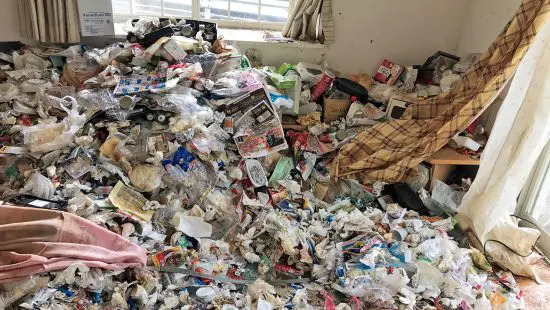
“Work is steady”
Adachi is proof of the industry’s potential. Formerly working in industrial waste disposal, she apprenticed under Shioda for nearly three years before launching her own independent firm at age 52. Today, the 60-year-old juggles up to five death scenes a month.
“The barrier to entry is high, and there are still few competitors, so the work is steady,” Adachi says. “In the busy summer season, my monthly sales exceed 3 million yen. Even after deducting assistant wages and gas, I’m left with over 1 million yen in pure profit.”
While Adachi admits she finds a unique satisfaction in restoring a heavily soiled room to its original state, she warns that the work is exceptionally brutal. The overpowering stench of death, swarms of pests, and the grim reality of human decay drive many new recruits to quit almost immediately.
“You can’t survive on cleaning skills alone,” Adachi says. “Clients demand immediate action, so you need the stamina to work while sacrificing sleep, and you must be able to offer them emotional support. If you don’t have a strong sense of purpose that you are doing an essential job, your mind simply won’t last.”