HYOGO (TR) – While the nation’s tabloids are typically dominated by grim police investigations, fatal hit-and-runs and sensational court cases, a different kind of shock value is on display in the exclusive enclave of Ashiya City.
Located between Osaka and Kobe, Ashiya is widely considered the Beverly Hills of Japan. Its upscale neighborhoods have long been home to corporate executives, celebrities and old-money families, entirely shielded behind high walls and luxury imported cars.
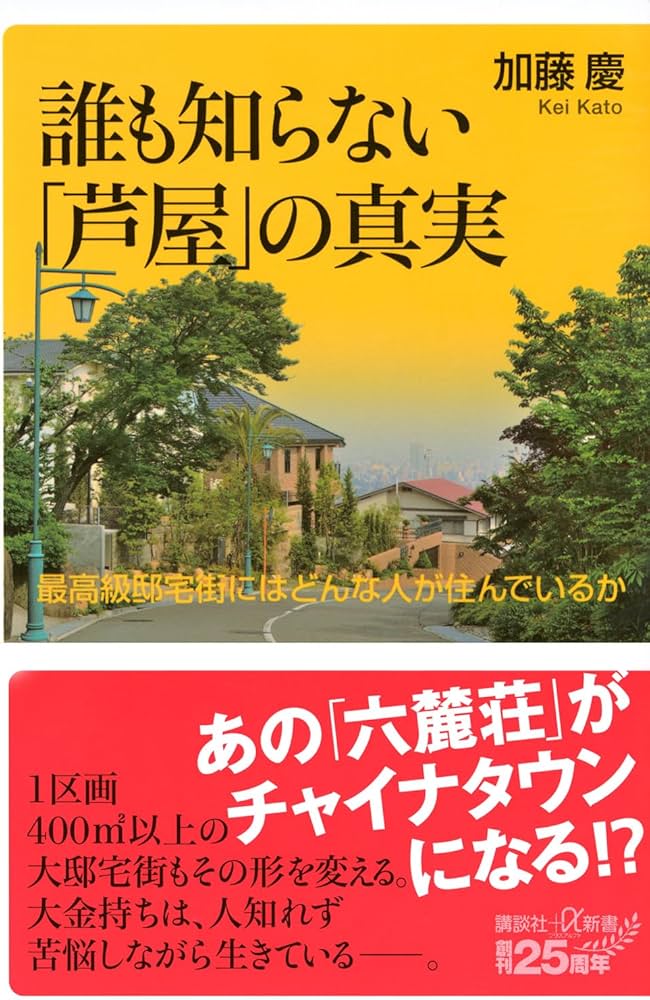
The exclusivity is to such an extent that it was the subject of the 2025 book “The truth about Ashiya that nobody knows: What kind of people live in this top-class residential area?” by non-fiction writer Kei Kato.
In a recent roundtable discussion with Friday magazine, three so-called “Ashiya Madams” offered a glimpse into a high-society lifestyle completely detached from the economic realities facing the rest of the country.
“Nuances of human nature”
Despite their opulent surroundings and unapologetic luxury shopping sprees, the women who joined the discussion insist they are not trying to show off, maintaining that their massive cash drops are simply par for the course in their exclusive postal code.
“There are many people wearing colorful clothes like pink red and blue,” says Eri, who is an executive at a cosmetics firm, about what makes Ashiya stand out among other cities. “In other towns, it might stand out, but in Ashiya, it doesn’t seem out of place. Everyone wears it naturally. Also, you don’t see people going to the convenience store in sweatpants here.”
Yumiko formerly appeared in magazines as a reader model. She adds, “People who come to Ashiya from other places are surprised by the number of foreign cars.”
Eri goes on, “Recently, there are even young couples in their 20s driving Ferraris and Rolls-Royces.”
But there is always a time to drive a domestic, says Yumiko, who has several Ferraris in her garage. “I drive a Japanese car for formal occasions. I understand the nuances of human nature,” she says.

“Living normally”
Despite living a glamorous life, these ladies never boast since “real” elites continue to live their otherworldly lives unnoticed.
“I’ll drink a wine costing several thousand yen if it’s delicious, and I also go to regular izakayas,” says Yasuko. “I don’t care about the price. However, there are people who open restaurants in Ashiya with the mindset of ‘the more expensive, the better,’ but they’re easily seen through. Everyone here has eaten their fair share of good food.”
Eri has heard that there are cliques among the new Ashiya residents.
“I don’t really mind,” says Yasuko. “People say things about bad manners and all sorts of things, but I didn’t feel uncomfortable. Rather, I felt like I was entertained by the fact that “this kind of world exists.”
Eri adds, “But people who have lived in Ashiya for a long time don’t live in a way that causes trouble, do they?”
“When I see people posting about their lives on social media, I can’t help but wonder, ‘Who are they fighting against?'” Yumiko giggles.
Eri sums up the Ashiya lifestyle thusly: “We are just living normally.”
“I gotta buy it”
The discussion shifted to lavish purchases made by those who live in Ashiya.
“One of my friends went to Cartier in Kobe Daimaru and bought a 15-million-yen ring because ‘the saleswoman was so friendly,'” says Eri.
Yumiko contributes, “I had a friend who bought a 38-million-yen necklace in cash. It was before the consumption tax increase, and she was like, “I gotta buy it before it goes up!” She put 38 million yen worth of cash into a large bag and said it was ‘very heavy and difficult to carry.'”
Eri asks, “Speaking of which, Yasuko, your friend was invited on a tour by the Cartier headquarters in Paris, right?”
Yasuko responds, “I don’t know what criteria they use to select people, but there’s a tour where about 10 special couples are chosen from among Cartier’s customers all over Japan and invited. They take a helicopter tour of castles and have lunch with the president of the Cartier flagship store while boating down the Seine River. The flight is first class, and the travel expenses are covered.”
Yumiko has another story: “One Christmas, my husband gave me a Cartier watch, and the following January, for my birthday, he gave me a Cartier diamond ring. Our wedding anniversary was at the end of January, and I also received a Mercedes-Benz G-Class. It was only about a month after Christmas.”
Renting party dresses
The ladies agree that when you think of the elites in Ashiya, you imagine the parties — and the dresses sported by the attendees.
“I had to wear a different dress every time, which was a real headache. I wore dresses by Vera Wang [the lowest price as of March 2014 was over 800,000 yen]. Yasuko wore a Valentino. That dress was so big, it was a struggle even to get into the car,” Yumiko giggles.
Yasuko says it cost 3 million yen. “Since I only wore it once, it’s still hanging in the closet,” she says.
“It seems like there are services these days where you can rent party dresses,” says Eri.
Yumiko agrees: “You can rent dresses that cost around 1 million yen for as little as 100,000 yen. It seems that people who aren’t using ‘genuine’ items are using rental dresses, but the colors fade because they’re used so many times. You can tell immediately.”
It was Yumiko who introduced Yasuko to Ashiya’s party scene.
“Actually, a company that sells pearls mainly in Hyogo Prefecture spread the party culture. A party with a ‘dress code’ of ‘please wear pearls you own’ was held, and that’s what sparked the party craze in Ashiya. That was over ten years ago,” says Yumiko.
Shohei Ohtani
One of the trends in Ashiya is to go watch Shohei Ohtani play for the Dodgers in Los Angeles.
“I’d like to go to L.A. to see Ohtani play and take pictures of the game,” says Eri. “Recently, with the weak yen, travel costs and ticket prices have gone up, so good seats can cost several million yen. I often hear people talking about seeing Ohtani in person.”
Yasuko knows a lot of people who have gone to see Ohtani play.
“Ohtani is in a league of his own, isn’t he? In Ashiya, even if celebrities or athletes are walking around, nobody calls out to them. That’s probably why so many famous people live here,” says Eri.
Land prices in Ashiya have been rising, with some areas like Narihiracho and Funatocho exceeding 3 million yen per tsubo. But that isn’t slowing demand.
“Prices have gone up, but even so, apartments sell as soon as they’re built,” says Yumiko.
Yasuko has a story about construction in Ashiya. “Previously, when construction was about to begin, someone distributed Hermes plates to their neighbors, apologizing for the noise,” she says.
There are, however, downsides to the Ashiya life, including the possibility of getting burgled.
Yasuko has a friend who lives in Okuike, Ashiya. “It is a place you have to take a toll road to get to. When her house was burglarized, [security firm] Secom was too late. She said, ‘Since then, I’ve been keeping cash by the front door.’ She seems to think, ‘If I leave 500,000 yen, the burglar will be satisfied and leave,'” she giggles.