In any market where cannabis is sold legally, one product sits quietly at the value end of the menu: shake. It is cheaper than whole buds, sold by weight, and often overlooked, yet it can carry surprisingly high THC when it comes from good flower.

That is where quality separates a bargain from a disappointment. Shoppers in regulated markets learn to look for a lab-verified high thc content cannabis shake with a documented potency rather than a vague grade on a bag. Canada is one of the jurisdictions with strict lab-testing and extraction standards, which is why Canadian-licensed producers come up so often in global cannabis discussions. This guide explains what shake is, how it is used, and how a high-THC claim gets verified.
What Is Cannabis Shake, Exactly?
The small, loose pieces of cannabis flower that break off larger buds. Shake collects at the bottom of a container as buds are handled, stored, and moved.
It is still real flower, not a byproduct or a filler. Because it comes from the same buds, good shake keeps much of their potency and character. The difference is form, not necessarily quality, though shake can also gather stray stems and leaf if a producer is careless.
Price is the main appeal. Sold loose and by weight, shake usually costs less than intact buds of the same strain. For people who grind their cannabis anyway, that discount often makes shake the practical choice.
How Do People Use Cannabis Shake?
Much the same way they use any dried flower, with a head start on the grinding. Its loose form suits a few uses especially well.
- Rolling joints, since the flower is already broken down.
- Packing bowls or pipes for everyday sessions.
- Making edibles once the shake has been decarboxylated.
- Infusing oils or butter for cooking at home.
- Filling pre-rolls, which many producers do commercially.
The versatility is why shake sells steadily despite its humble reputation. Cannabis, in whatever form, still carries real health considerations, and the NIDA research overview lays out what is known about its effects. Form does not change the substance inside.
What Does “High THC” Actually Mean?
A measured percentage of the plant’s main psychoactive compound, confirmed by testing. A “high THC” label should point to a lab number, not a marketing adjective.
Whole flower commonly tests somewhere in the high teens to mid-twenties by percentage, and quality shake from the same crop can land in a similar range. The figure matters because it drives both the effect and the value. Product regulation, including the kind of oversight described by the FDA’s cannabis policy, is what pushes sellers to back up those numbers with data.
How Is Potency Verified?
Through independent lab testing tied to a specific batch. Accredited labs measure cannabinoid content and check for contaminants at the same time.
A trustworthy result comes with a certificate that names the lab, the date, and the batch. It lists the THC and other cannabinoid percentages, plus screening for pesticides, solvents, molds, and heavy metals. Without that paperwork, a potency claim is just a number on a label.
How Do You Judge Shake Quality?
Look past the price and check what the shake actually contains. A few signs separate good value from a poor bag.
- A stated THC percentage backed by a lab certificate.
- Mostly flower, with few stems or dry leaf mixed in.
- A fresh smell and some visible trichome frost.
- Proper moisture, neither dust-dry nor damp.
- A named strain or source rather than an anonymous blend.
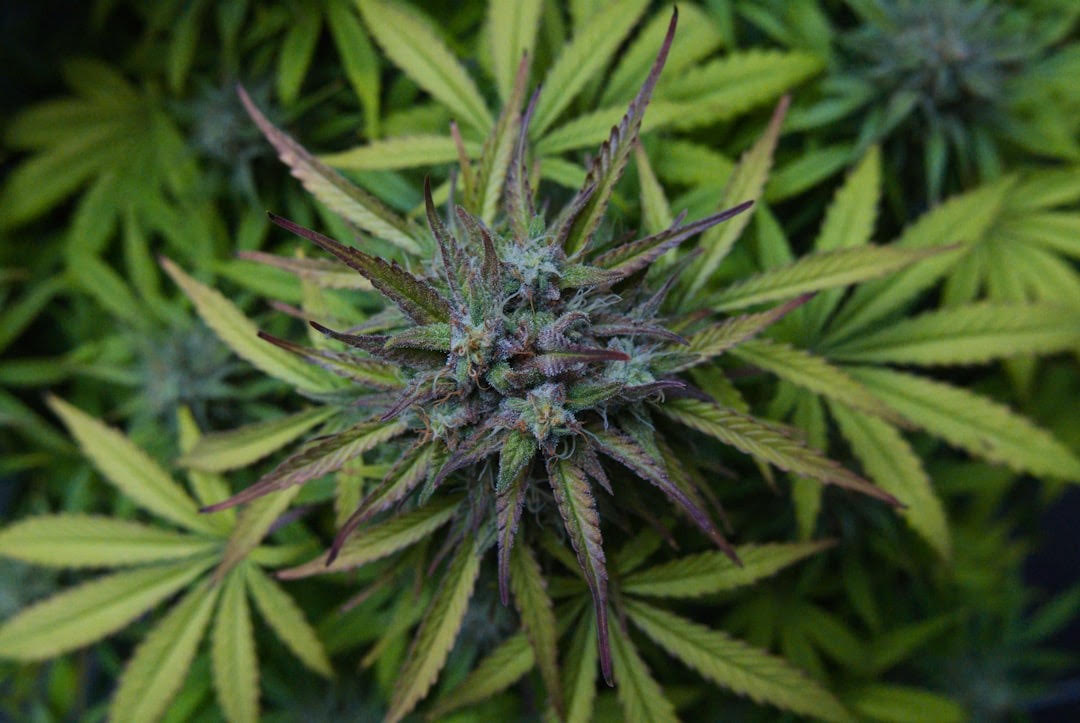
Quality shake looks and smells like the buds it came from, only smaller. If a bag is mostly stem and powder, the low price is not really a deal.
Why Does the Legal Market Vary So Much?
Because cannabis law differs sharply from one country to the next. What is a regulated retail product in one place is a serious criminal matter in another.
In Japan, for example, cannabis is heavily restricted, and enforcement is strict, as ongoing marijuana cases in the news regularly show. National drug policy shapes what is legal, how products are tested, and whether any lab oversight exists at all. Regulated markets like Canada sit at the other end, with licensed producers, mandatory testing, and clear labeling. Anyone reading about these products should know their own local law first, since legality is not a global constant.
Key Points to Remember About Cannabis Shake
- Shake is loose flower that breaks off larger buds, not a byproduct.
- Good shake keeps much of the potency of the buds it came from.
- It suits joints, bowls, edibles, and home-infused oils.
- A “high THC” claim should be backed by a batch lab test.
- Judge quality by content, smell, and moisture, not just price.
- Cannabis law varies widely, so local rules always come first.
Choosing Shake With Clear Eyes
Cannabis shake is one of the more honest bargains in a legal market, but only when the quality is real. Check the lab-tested potency, look at what is actually in the bag, and treat a bold THC claim as something to verify. Do that, and shake becomes smart value rather than a gamble on a cheap label.
Frequently Asked Questions
Is cannabis shake lower quality than buds?
Not automatically. Shake is simply the loose flower that breaks off buds, so it can share their potency and character. Quality drops only when a bag is padded with stems and leaf rather than real flower.
Can shake really be high in THC?
Yes, when it comes from strong flower and is tested to prove it. Good shake can land in a similar THC range to the buds it came from. The key is a lab-verified percentage rather than a marketing label.
What is cannabis shake best used for?
Its loose form suits rolling joints, packing bowls, and making edibles or infused oils. Because it is already broken down, it saves a grinding step. Many producers also use it to fill commercial pre-rolls.
How can I tell if shake has been lab tested?
Look for a certificate of analysis tied to the batch you are buying. It should name the testing lab, give a date, and list THC and contaminant results. No certificate means the potency claim is unverified.