
TOKYO (TR) – Japanese voice actress and television personality Hazuki Tanda has landed in hot water after sharing photos of a Halloween costume that sparked accusations of “blackface” on social media, reports News Post Seven ().
On October 31, Tanda, best known for her voice work in popular anime franchises including “D4DJ” and “BanG Dream!,” posted a message reading “Happy Halloween” on her official X account. Accompanied by the post were photos showing her dressed as the title character from the British stop-motion animated series “Shaun the Sheep.”
To portray the farm animal, Tanda coated her entire face in black paint while wrapping her head and torso in fluffy white cotton wool.
“Please stop”
While some domestic fans lauded the getup as “top-tier” and “hilarious,” the images quickly triggered intense criticism from international observers.
“Did you know that painting your face black is considered extremely disrespectful to Black people in America?” wrote one commenter in English, while another urged, “Please stop doing blackface.”
Critics pointed out that the combination was particularly egregious given historical sensitivities surrounding the transatlantic slave trade, where enslaved Black laborers were forced into brutal cotton harvesting in the American South.
The post quickly became a battleground, drawing more than 1,300 comments in various languages as defenders argued that Tanda was simply dressed as a black-faced sheep and harbored no racist intent.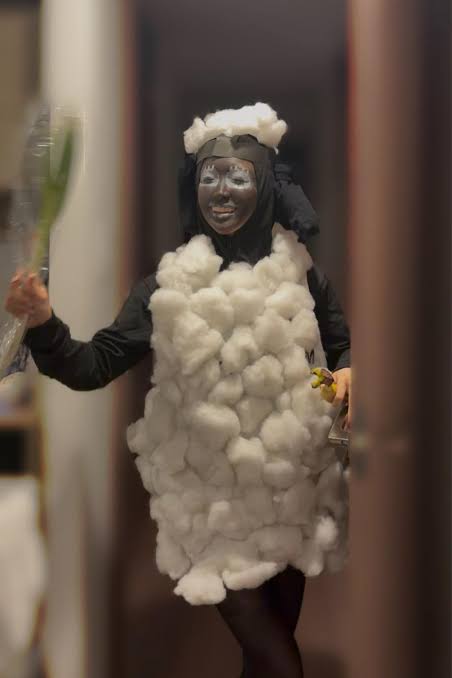
International scrutiny
Japan has faced recurring international scrutiny over its use of dark makeup in entertainment. Most notably, veteran comedian Masatoshi Hamada drew fierce backlash from overseas media in late 2017 after donning blackface to impersonate actor Eddie Murphy in a high-profile New Year’s Eve television special.
Commenting on the historical gravity of the practice, Fumiko Sakashita, a professor at Sophia University specializing in African American history and culture, explained that blackface originated in 19th-century American minstrel shows, where white performers used caricatures to justify slavery and propagate racial stereotypes.
While Sakashita acknowledged that Tanda was dressing as an animal rather than a human being, she cautioned against altering facial color for entertainment.
“Even when imitating a particular celebrity or character, it is important to reflect on whether it is truly necessary to change one’s skin color,” Sakashita said, noting that exaggerating physical features associated with race can provoke deep offense regardless of the performer’s intentions.