
TOKYO (TR) — Japanese consumers are being held hostage by a merciless combination of skyrocketing crude oil prices, a historically weak yen and extreme weather.
As the de facto blockade of the Strait of Hormuz sends shockwaves through the global economy, everyday shoppers are the ones left bleeding at the cash register.
Financial experts have delivered a grim verdict for household budgets over the next year, forecasting massive hikes for daily essentials while offering only a few glimpses of relief, reports Smart Flash (May 6).
The bloodbath: Condoms, tuna and daily goods
The heaviest blows are coming from petroleum-based products. According to former FX dealer and economic commentator DJ Nobby, essential items like garbage bags and plastic bags are already locked in for a brutal 30 percent price hike starting late May.
“There’s no substitute for these items. It’s a painful hit to households,” Nobby warned.
The collateral damage is vast. Because plastic bottles and active ingredients like surfactants are derived from petroleum, basic hygiene products such as shampoo and laundry detergent are facing a severe squeeze.
Even the bedroom isn’t safe. Condoms are facing a massive markup. “Karex, the world’s largest manufacturer, has already stated the possibility of up to a 30 percent price hike,” Nobby noted.
The dinner table is also an active crime scene against wallets. Rising vessel fuel costs are torpedoing the distant-water fishing industry, driving up the cost of tuna and bonito. Transport costs and styrofoam packaging have surged 30 percent, pushing processed items like kamaboko (processed seafood) up by 10 percent.
Life economics journalist Rika Kashiwagi warns that summer vegetables could spike by 30 percent due to intense heat waves, while gas used to ripen bananas has already driven costs up by 10 percent.
Meanwhile, a 2.5 percent hike in the government’s wheat import price this April will hit bread and instant noodles by early next year. Avian flu has kept egg prices hostage at over 300 yen per pack, with fears they could smash the 500-yen barrier by the winter “Christmas cake” season. Cooking oils and domestic pork—currently hitting record wholesale highs—are also bleeding consumers dry.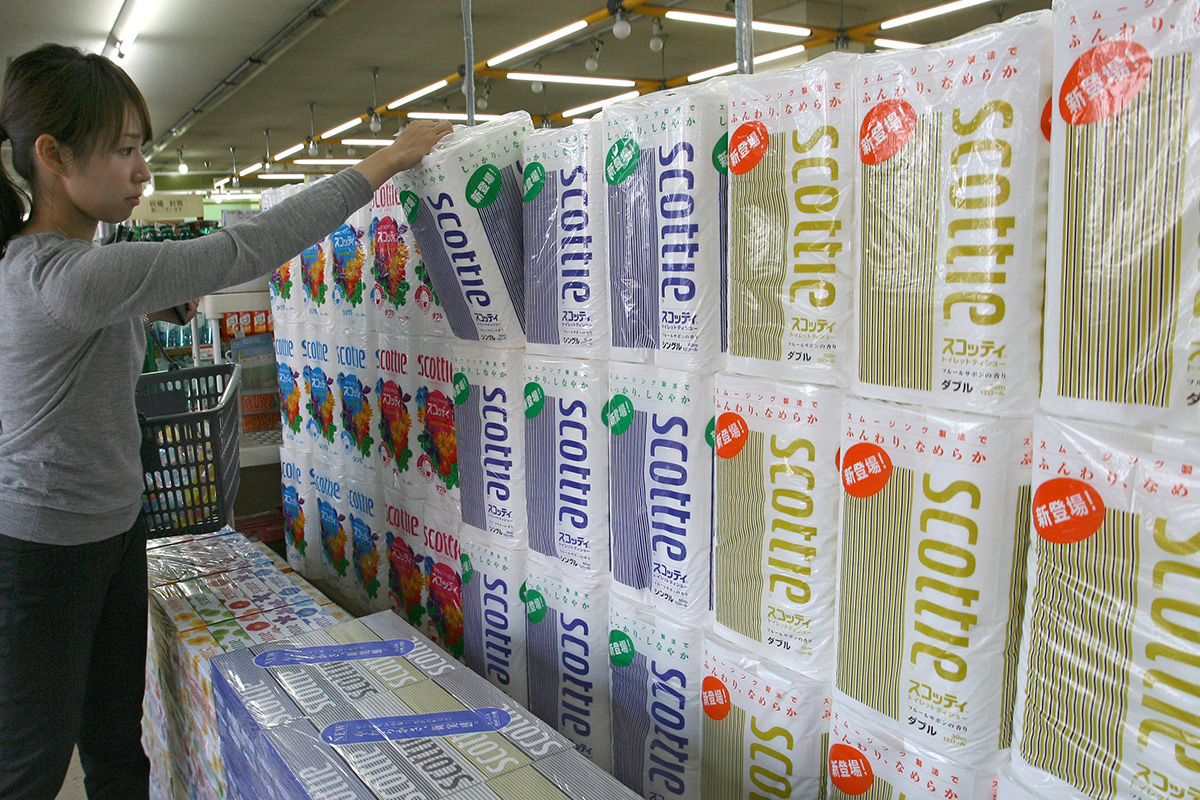
A stay of execution: Toilet paper and dairy
Not everything is spiraling out of control. Shoppers fearing a repeat of toilet paper hoarding can rest easy.
“The raw materials are domestic recycled paper and pulp, which aren’t directly reliant on oil,” explained Takuya Hoshino, chief economist at Dai-ichi Life Research Institute. “Government warnings have worked, and the situation is calm.”
Milk prices are also locked in a stalemate. While feed costs are up, manufacturers know that further price hikes would kill consumer demand, leaving retail prices largely flat. Cheese and butter will likely see a slow creep rather than a sudden spike.
Chocolate prices, despite being battered earlier by cacao shortages and soaring transport costs, are hitting a ceiling. However, manufacturers are employing “shrinkflation”—quietly reducing package sizes—meaning shoppers won’t see a drop in retail prices anytime soon.
The acquittal: Rice, beer, and sardines
In a rare victory for the public, a few key items are poised for a massive price collapse.
Following the “Reiwa Rice Riots” of 2024 that saw 5-kilogram bags of white rice costing consumers an exorbitant 5,000 yen, a massive 2025 harvest is expected to flood the market. Nobby predicts prices will plummet to 3,500 yen by autumn, while Kashiwagi suggests they could crash down to the 2,000-yen range by next spring.
Alcohol drinkers will also catch a break. An October revision to the Liquor Tax Act will slash the tax on standard beer by about 9 yen a can, dropping retail prices by 5 to 10 percent.
In the seafood aisle, sardines are the sole survivor of the transport cost bloodbath. Choshi fishing port in Chiba Prefecture saw a staggering 1,900-fold increase in hauls last year compared to the previous year, meaning canned sardines are likely to see a price drop.
Coffee prices are also expected to cool following increased production in Brazil, though consumers won’t feel the savings in their morning cup until late this year or early 2027.