
TOKYO (TR) – A non-profit organization (NPO) operating in the Kabukicho red-light district paints a dire picture for young prostitutes: Some are as young as 12 and prostituting themselves for as little as 5,000 yen.
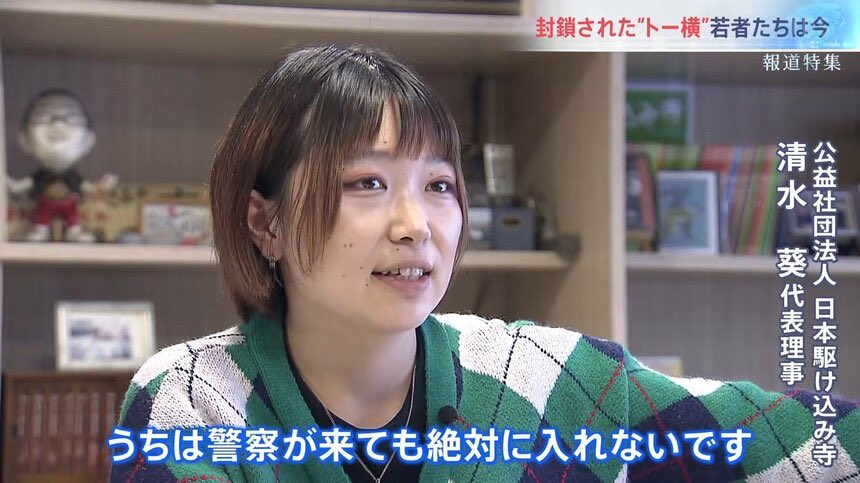
“There are many girls who are in dangerous situations,” says Aoi Shimizu, the representative director of Japan Refuge. “Recently, what’s been noticeable are the ‘buyers’ who are foreign tourists. They use violence against the girls standing there.”
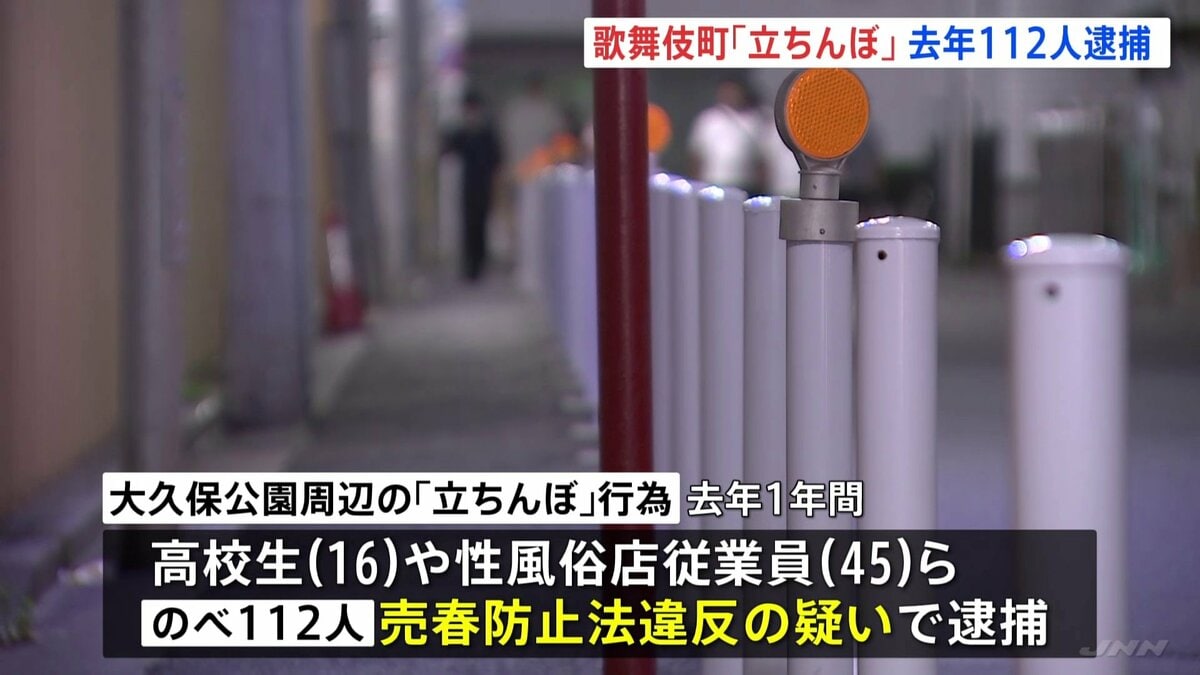
The shift toward foreign tourists is a calculated response to intensifying crackdowns by Tokyo Metropolitan Police, which arrested over 100 individuals in the area last year for violations of the Anti-Prostitution Law.
Japan Refuge, which was founded 24 years ago, provides places for young females to stay and conducts nighttime patrols in the district — but it is a situation that is only getting worse, reports News Post Seven (Apr. 6).

Language barrier
Operating primarily around Okubo Park in Kabukicho, these women and runaway girls are increasingly soliciting foreign men in a practice known as tachinbo (or standing, which effectively refers to a streetwalker).
By targeting foreigners, the streetwalkers minimize the risk of accidentally soliciting plainclothes police officers. Furthermore, the language barrier makes tourists easier to manage, reducing the likelihood of complications or police involvement.
Okubo Park, which is also known to tourists, became widely known a few years ago when YouTubers raided the park and filmed videos. This used to be the place to go when people talked about streetwalkers in Kabukicho, but things are changing.
“Actually, the main street where these girls are currently standing is the love hotel district,” says the Japan Refuge director. “The ones in Okubo Park are the so-called ‘veterans,’ who have been there since the problem started becoming more noticeable about three years ago. The new girls are mostly working in the hotel district.”
Crushing debts
Driven by crushing debts to host clubs, the need to survive after fleeing abusive homes, the desperation of these girls has driven street prices down to rock bottom. While typical rates previously hovered higher, some are now selling their bodies for a mere 5,000 yen.
“The going rate around [Okubo Park] is 15,000 yen,” Shimizu says. “But sometimes it goes down. I think that’s because new girls are driving the prices down. They’re negotiating for 10,000 yen, or even cheaper, 5,000 yen. The girls around here are basically doing it for 15,000 yen, so they get angry when they can’t get paid anymore. Sometimes they even start looking for the culprit, like, ‘Someone’s lowering the price!'”
Shimizu also has connections with young people dubbed “Toyoko Kids,” a name that refers to the Toho Cinemas complex in the heart of Kabukicho. In this area, many young delinquents and runaways congregate.
In recent years, there have been a number of cases of youths dying from drug overdoses or getting involved in so-called “underground jobs.”
“At first glance, it might seem like the number of young people has decreased, but during the day, many plainclothes police officers apprehend them, so they often hide indoors or in internet cafes,” the NPO director says. “If they are adults, some rent houses nearby, such as in Okubo, and minors sometimes stay at their homes.”
Without any money, these minors sometimes stay in groups at love hotels.
“They only go out during cleaning time, hide from the police, and then come back when it’s time to check in,” says Shimizu. “They often stay for multiple nights. They sometimes book for a week at a time and share rooms.”
Illegal drugs
Young people also have easy access to illegal drugs, including MDMA, or Ecstasy.
“Even in this office, people casually say things like, ‘I did some drugs yesterday,'” says Shimizu. “My role is to provide care after something happens, but above all, I want to prevent it from happening in the first place.”
She goes on to say that there are a lot of quasi-gangsters roaming the streets, which makes matters worse.
“Since the main yakuza have stopped cracking down on the area, a lot of quasi-gangsters are on the loose,” Shimizu says. “It seems like there are more unsavory adults around. The kids who gather here often don’t have money and tend to jump at any chance of quick cash. That’s why they’re easily taken advantage of.”
Shimizu knows of about five kids who are currently members of a fraud ring in Cambodia.
“I know one girl personally,” she says. “Strictly speaking, she’s not Toyoko, but she was addicted to hosts. A mutual acquaintance of ours came to tell me an said she is still alive. So it seems she hasn’t been caught yet.”
According to Shimizu, these kids have a distorted sense of money.
“They’ll even go overseas to get their hands on some quick cash,” she says. “It seems like they often get involved through word of mouth. They get told about ‘jobs’ through their connections rather than searching online. They easily get caught up in crime.”
Despite the heightened police presence and “purification operations” aimed at cleaning up Kabukicho’s streets, the underlying poverty and exploitation fueling the crisis remain unresolved, leaving the city’s most vulnerable to be preyed upon.
Given this, Shimizu sounds a strong warning: “The public safety situation is worse than it used to be.”