
 Keeping property safe from vandalism and theft is a constant worry for business owners, property managers, and community leaders. These problems aren’t new, but the tools we have to fight them have changed a lot. Modern technology offers smart, proactive solutions that go way beyond old-fashioned locks and security guards. They help create safer spaces for everyone.
Understanding Common Property Crimes
Vandalism and theft often happen because of an easy opportunity. Someone might see an unlocked door, a dark alley, or a building with no obvious security and decide to act. Vandalism can be anything from graffiti to serious damage, while theft can range from shoplifting to breaking into a secure area to steal equipment or data.
These acts don’t just cost money for repairs or stolen items. They can also make people feel unsafe, drive away customers, and push up insurance costs. Realizing that many of these incidents are unplanned and opportunistic is the first step to building a good prevention plan. The main goal is to remove that easy chance.
Deterring Opportunistic Offenders
The best way to stop an opportunistic crime is to make the target seem too difficult or risky. This idea is central to Crime Prevention Through Environmental Design, which uses how buildings and environments are designed to discourage illegal behavior. Simple things like bright, motion-activated lights and visible security cameras can make potential offenders think twice.
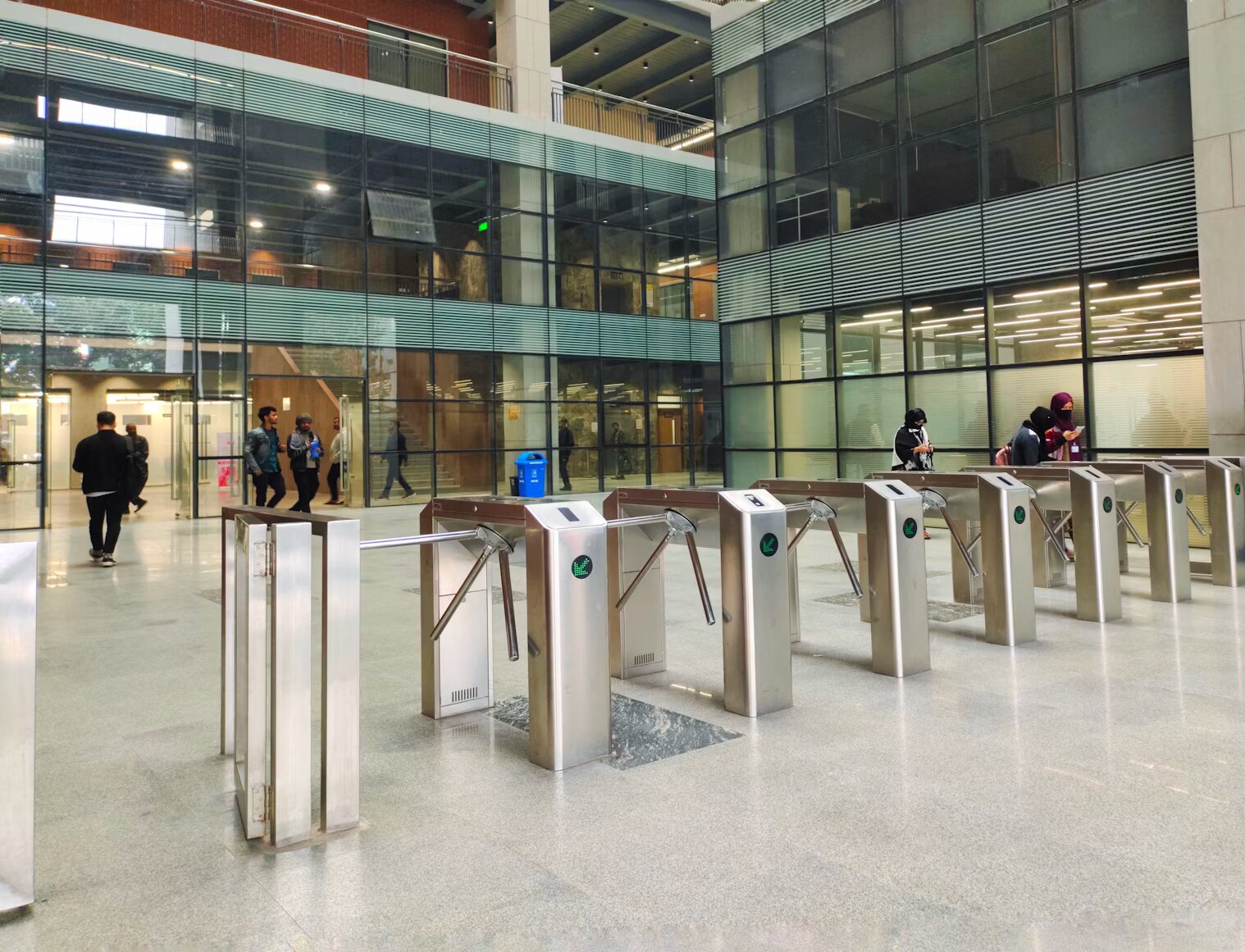
Beyond just deterring people passively, actively controlling who can enter a space is a powerful tactic. Making a target look harder and riskier is key to putting off offenders. While cameras are a passive deterrent, actively managing entry points sends a stronger message. For example, putting in a modern access control system replaces old, vulnerable locks with electronic passes that can be monitored and managed remotely. This creates a clear, recorded barrier that discourages unauthorized entry before it’s even attempted.
Smart Monitoring and Alert Systems
Today’s security cameras do more than just record footage to watch later. Smart monitoring systems use artificial intelligence (AI) to analyze video in real time. These systems can be set up to spot specific behaviors, like someone lingering in a restricted area after hours or trying to mess with a door. When the system sees a potential threat, it can automatically send an alert to a security team or a property manager’s phone.
This instant notification allows for a quick response, which could stop a crime as it’s happening. The effectiveness of surveillance systems works much better when cameras are actively monitored or linked with smart analytics. Instead of sifting through hours of footage after something happens, you get useful information exactly when you need it. These systems can also connect with other devices, like lights or speakers, to create an automatic response that scares off the person.
Controlled Entry for Public Spaces
In buildings that are open to the public but have private or sensitive areas, like office buildings, hospitals, or university campuses, controlling entry is crucial. Technology gives you very precise control over who can go where and when. Instead of one key fitting everything, organizations can use electronic keycards, phone credentials, or even biometric scanners to give specific access.
For example, an employee’s keycard might let them into the main office 24/7, but only allow access to a secure server room during their work hours. If a card gets lost or stolen, it can be turned off instantly from a central system. This removes the security risk and saves the cost of changing locks. This level of control helps prevent internal theft and makes sure only authorized people can get to valuable assets or confidential information.
By bringing these tech solutions together, property managers can build a layered security plan that doesn’t just react to problems, but actively works to stop them from happening in the first place.