
OSAKA (TR) – Osaka City-based credit card payment processor Zentoshin Co. was forced into bankruptcy by the Osaka District Court on July 6, burdened by a staggering 125.9 billion yen in debt following a massive contract fraud scandal.
The collapse marks the largest bankruptcy of the fiscal year and threatens to drag countless local businesses down with it, reports Zakzak (July 7).
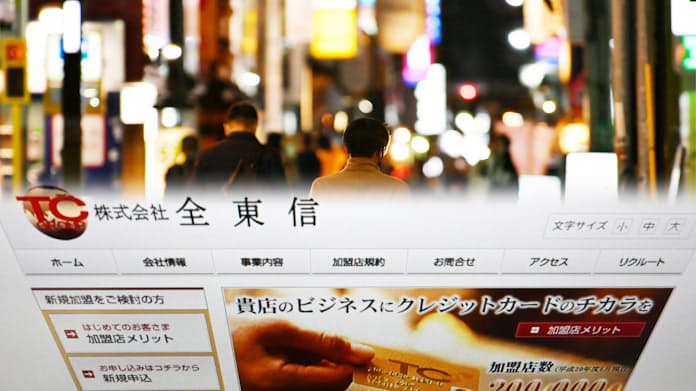
Zentoshin built its empire by providing early cash advances for credit card transactions to restaurants and other merchants. However, the company suffered a fatal blow during a 2024 compliance scandal when it was exposed for allowing businesses that failed credit screenings to sign contracts using fraudulent third-party names.
The resulting loss of public trust, combined with pandemic-era struggles in the restaurant industry, severely crippled the company’s ability to secure funding, ultimately leading to its demise.
Scramble for alternatives
Now, the sudden collapse has plunged Japan’s retail and service sectors into chaos.
A court-appointed bankruptcy lawyer issued an immediate notice declaring all Zentoshin payment terminals void. “Even if the credit terminal appears to operate, the service cannot be used under any circumstances,” the notice warned.
For merchants operating in an increasingly cashless society, the abrupt loss of payment infrastructure represents a massive loss of business. The Japan Restaurant Association is urgently calling on affected businesses to scramble for alternative payment providers.
However, the true nightmare for restaurant owners lies in uncollected revenue.
Because of the “time lag” inherent in Zentoshin’s business model, merchants who have already processed consumer credit card payments are now left empty-handed. The court declared that these uncollected earnings are legally downgraded to “bankruptcy claims.” This means scheduled payouts are effectively canceled, and businesses will likely recover only a fraction of what they are owed — if anything at all.
Wave of bankruptcies
Running on razor-thin margins, many restaurants rely on these daily cash flows for staff wages and inventory. The sudden freezing of days or weeks of sales is expected to spark a wave of chain-reaction bankruptcies.
Social media has already been flooded with desperate pleas and panic from business owners who have suddenly realized their hard-earned sales may be gone forever.
While the Japanese government has heavily promoted a shift to a cashless society, the Zentoshin collapse exposes a critical vulnerability: when a middleman goes bust due to corporate misconduct, it is the local merchants who are left to pay the ultimate price.