TOKYO (TR) – “Faking being single,” in which a married man pretends to be unattached in order to date women, is gaining attention as a serious social issue.
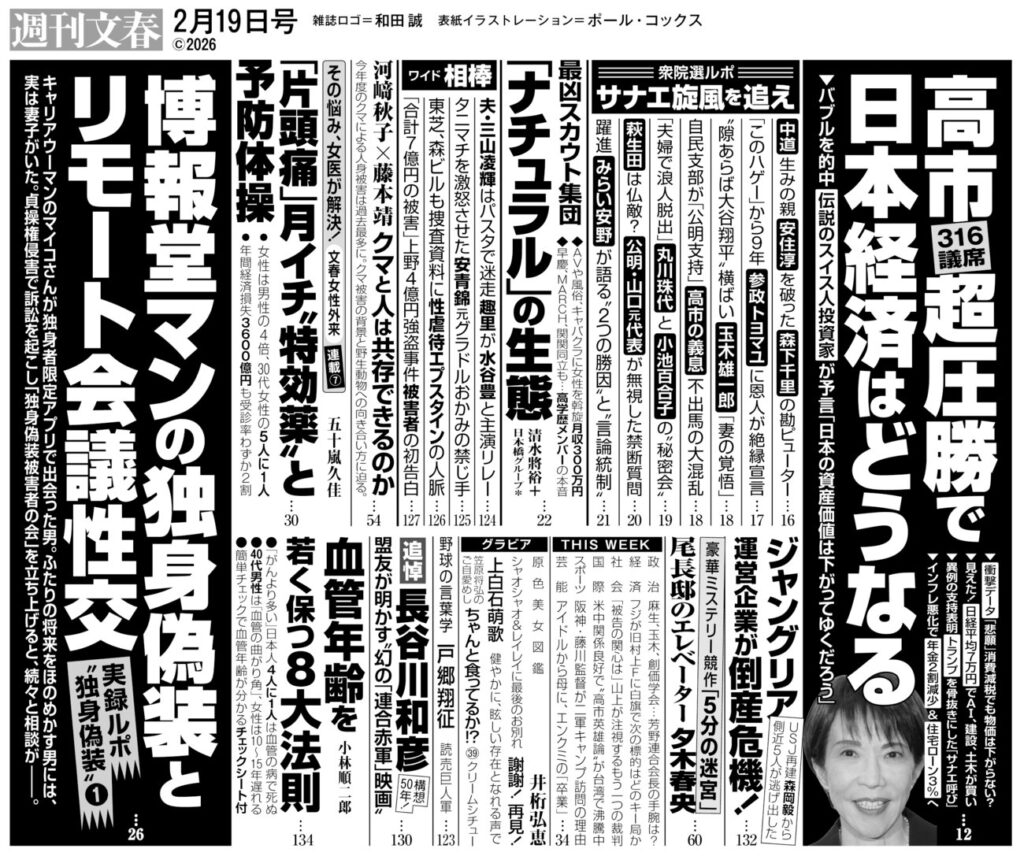
Starting with its Feb. 19 issue, Shukan Bunshun began the series “True Report: Faking Singleness,” which details the reality of this practice.
In its first installment, the magazine profiles a woman from Kanagawa Prefecture who won a court ruling over a male employee of advertising giant Hakuhodo Inc. after he faked being single online.
Maiko met the man, aged in his 30s, on a dating app for singles. After they met, he hinted at a future together. However, he is already married with children.
“He didn’t use contraception and even during remote meetings, he wanted my body,” says the woman, who goes by the pseudonym Maiko.
Maiko later sued the man. During the trial at the Tokyo District Court, she claimed that her “right to chastity, which prevents her from having sexual relations with a married man, had been violated.”
She sought approximately 7.8 million yen in damages.
During the trial, the man argued that “my relationship with the woman was not a serious relationship with the intention of marriage, but was merely for the purpose of sexual intercourse. Therefore, this did not constitute a violation of her right to chastity.”
Maiko was victorious. In his ruling handed down on December 8 last year, presiding judge Takato Kawahara stated, “The man was aware that the woman desired a relationship with a view to marriage, and his repeated sexual acts while intentionally concealing the fact that he was married constituted a violation of her right to chastity.”
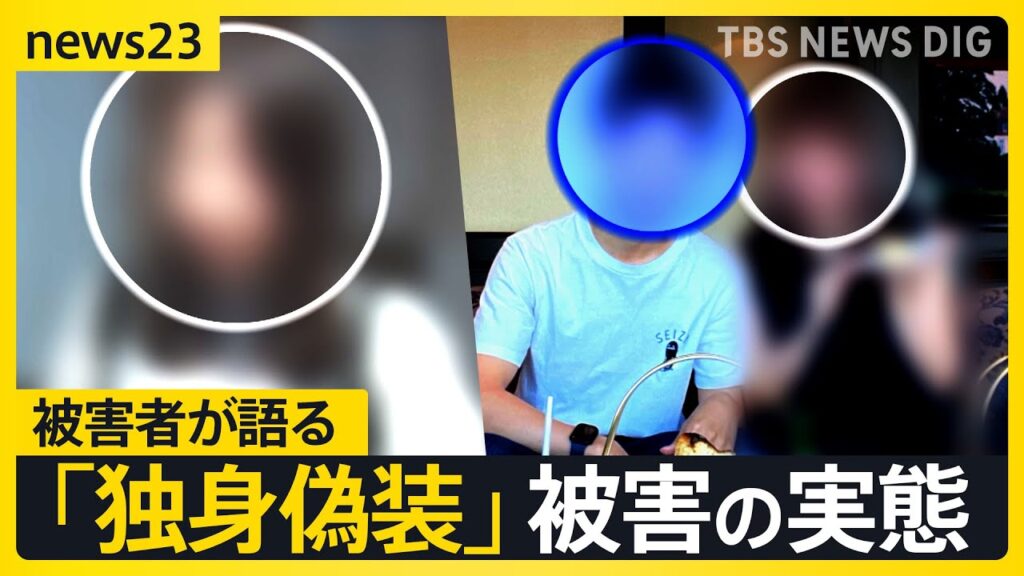
“Fake Single Persons”
In June 2024, Maiko launched an account on X titled “Association of Victims of Fake Single Persons.” After she shared her experience of being the victim of a false representation of her single status and filing a lawsuit for violation of her right to chastity, she began receiving contact from women who had suffered similar experiences.
“When they found out they had been deceived by someone they trusted wholeheartedly and had planned a future with, some women became physically and mentally ill, and some even took their own lives,” Maiko says.
Even when lawsuits are approved for damages, the amount they are ordered to pay is often only a few hundred thousand yen.
“Furthermore, victims are often criticized for being ‘unreasonable for being deceived,’ and are sometimes treated the same as those committing adultery. I don’t think society has caught up in understanding,” says Maiko.
When reached for comment about the man in Maiko’s case, Hakuhodo said, “We have not answered all questions, including those about employment status. We consider compliance to be the foundation of our company, and if we find any conduct that goes against that, we will take strict action.”