HOKKAIDO (TR) – There is probably no more gruesome news than this.
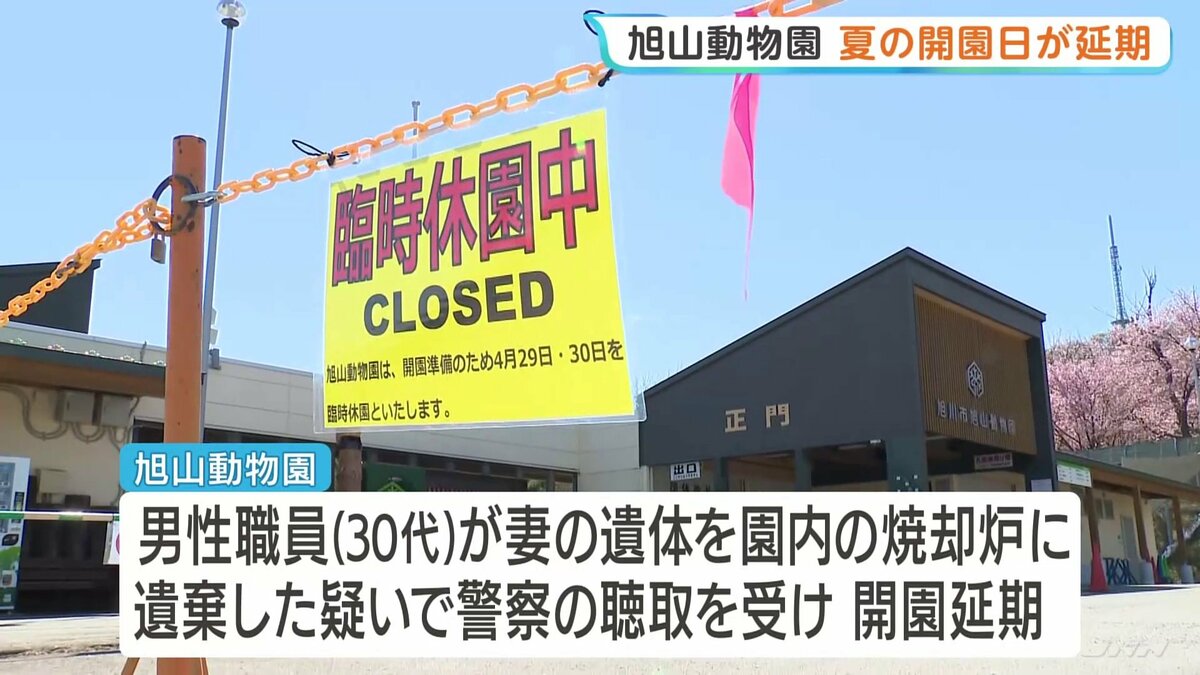
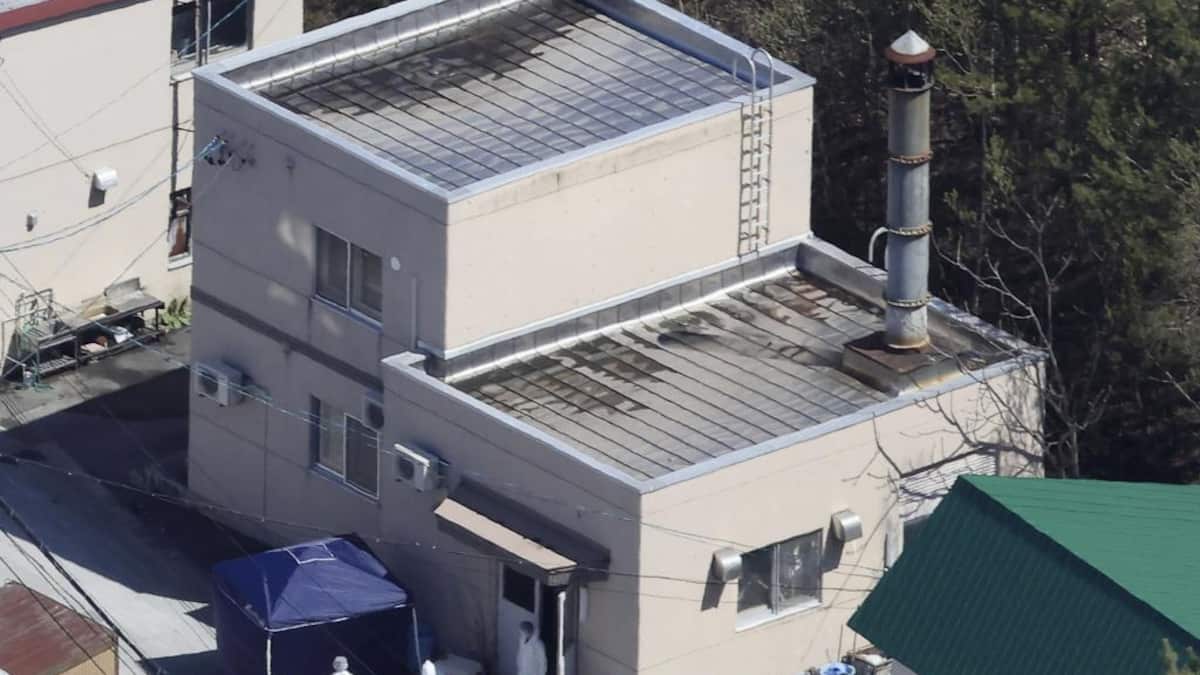
A man in his 30s, an employee of a zoo in Asahiyama City, is suspected of abandoning the body of his wife in the facility’s incinerator. During voluntary questioning by the police, the man stated that he “burned the body in the incinerator.”
In the past, with the rougher police force, they might have arrested him immediately and interrogated him severely after hearing that much. But law enforcement has not found signs of a body, which is complicating matters, reports Sankei Sports (Apr. 29).
Elephants to ashes
Acting on the man’s confession, police launched full-scale, on-site inspections at the Asahikawa Zoo. Investigators extensively searched the incinerator and surrounding areas for two consecutive days starting on April 24.
The task is challenging. Based on reports, the incinerator at this zoo is said to be so powerful that it can reduce even large animals like elephants to ashes without a trace.
This means that even with advanced forensic science distinguishing between human and animal bones and conducting DNA testing from the remains is nearly impossible.
As a result the police remain hamstrung: Without corroborating evidence, an arrest cannot be made based solely on a statement.
While police don’t know what happened between the couple, the man reportedly threatened his wife, saying he would “burn her completely.”
News reports have cited neighbors who were told by the man that his wife “went to Tokyo.”
Due to the ongoing investigation, the zoo postponed its opening by two days until May 1.
Chiba case
It seems that the zoo employee was planning a perfect crime with the use of the incinerator from the beginning. Indeed, proving murder is a very time-consuming process. This is especially true in cases where no body has been found.
Two years ago, the Chiba District Court sentenced a 49-year-old man to 21 years in prison for killing his wife with a knife in their car and abandoning the body.
His claim that it was an accidental death during a struggle when he tried to take the knife away from his wife, who was 17 years younger, was rejected. What was groundbreaking was that, despite the wife’s body never being found, intent to kill — specifically, “to avoid the burden of child support” — was recognized.
This husband confessed to the murder during voluntary questioning but then reversed his decision and denied it during the trial. This time, too, by steadily accumulating other evidence, there’s a possibility of an arrest for “murder without a body.”
Saitama case
In 2022, a similar ruling was handed down by a court in Saitama Prefecture. In that case, the court handed a one-time member of the Yamaguchi-gumi criminal syndicate, a 20-year prison term over the murder of a male employee of a bar in Kawaguchi City.
Similar to the Chiba case, no body was found since it was minced in a machine that is typically makes negitoro, which is minced fatty tuna mixed with green onions.
Given the lack of corroborating evidence in the Hokkaido case, Sankei Sports believes the outcome could be highly unpredictable.