
TOKYO (TR) – Exhausted by ghosting, fake profiles and wasted time, a growing number of Japanese singles are abandoning modern dating apps in favor of traditional marriage agencies.
This is even if it means shelling out thousands of dollars and adhering to strict bans on premarital sex.
Driven by a desire for taipa (time performance), young people are turning to modern omiai (arranged matchmaking) to fast-track their way to the altar, reports TV Asahi (July 26).
Nakodo
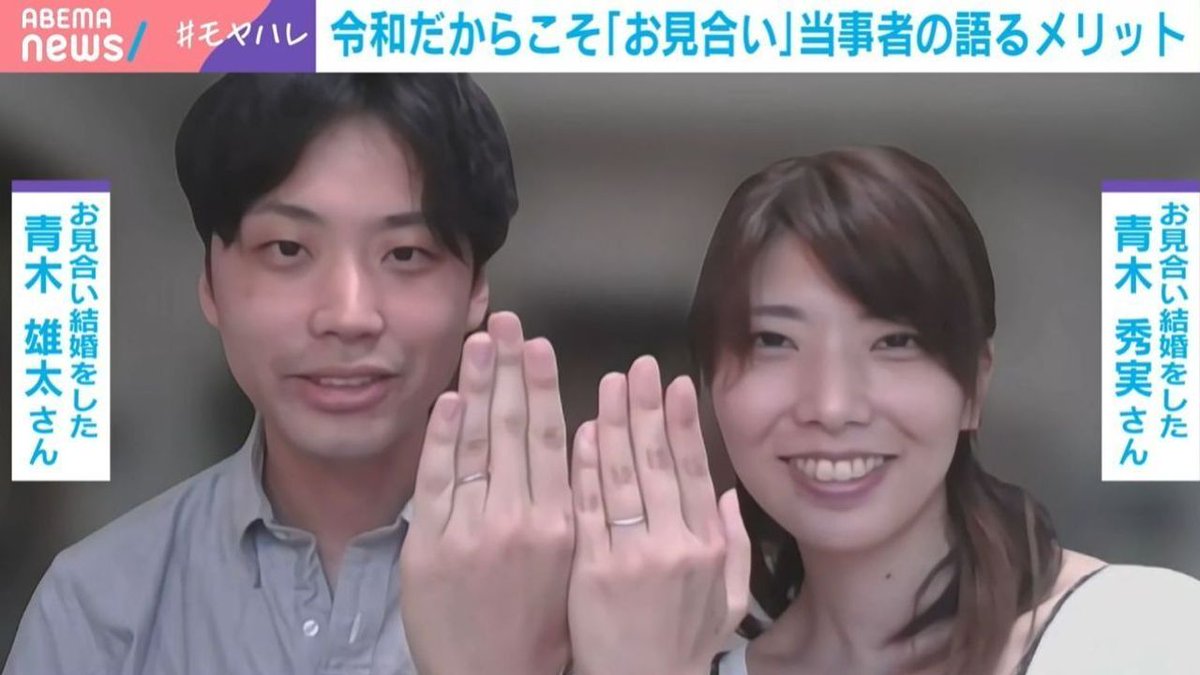
Yuta and Hidemi Aoki are the poster children for this trend. After striking out on dating apps, the couple enlisted the help of a nakodo (matchmaker). They went from a first meeting to a marriage proposal in just three months.
“You couldn’t gauge their seriousness, and it was suspicious how easily people could lie about their identity,” Hidemi said regarding her time on dating apps.
Yuta agreed, noting that the constant ghosting and dead-end conversations were a massive drain. “The quality of a match on an app versus a marriage agency is completely different,” he said.
“It was brutal”
However, the highly regulated world of modern marriage consultation is not for the faint of heart, featuring strict rules and financial penalties designed to weed out the uncommitted.
Once an omiai meeting is scheduled, cancellations are strictly prohibited. Canceling on the day of the date or showing up late can result in a penalty fee of 10,000 to 20,000 yen.
This rigid system leads to agonizing encounters that Yuta described as “dead rubber” matches, where participants only show up to avoid being fined.
“Some people had zero intention of talking, or they already had a main prospect and were just showing up to go through the motions,” Yuta recalled. “It was brutal. Honestly, I just wanted to pay for the coffee and get out of there as fast as possible.”
Intimacy ban
The strict policing continues even after a match is made. According to Nozomi Yuzuriha, a matchmaking advisor and newscaster, couples who enter the “dating” phase face draconian regulations. To prevent trouble, agencies strictly prohibit couples from sleeping over at each other’s homes or engaging in premarital sex.
Those caught violating the intimacy ban face forced expulsion from the agency, effectively being kicked out after being slapped with their final fees.
Despite the strict rules, the system is highly efficient. Forget the Showa-era image of a nosy neighbor carrying physical photographs; today’s users browse digital databases of up to 100,000 verified singles. The matchmakers act as a buffer, conducting the communications and shielding users from the psychological blow of direct rejection.
The cost of this curated, ultra-fast path to marriage? A staggering 300,000 to 500,000 yen from enrollment to a successful engagement.
Yet, for Japan’s pragmatic youth, it is a price worth paying. By guaranteeing that every member is legally single and seriously looking to wed, marriage agencies allow singles to buy safety, reliability, and time—commodities that dating apps have failed to provide.