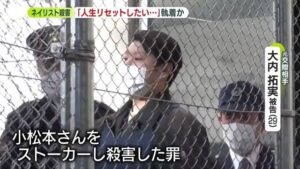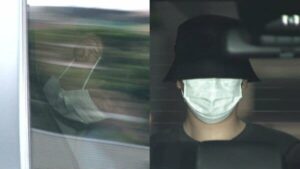
TOKYO (TR) – A former school security guard who strangled an continues to dodge a court-ordered 42-million-yen penalty after exploiting the statute of limitations to escape a murder charge, reports HBC News (Sep. 20).
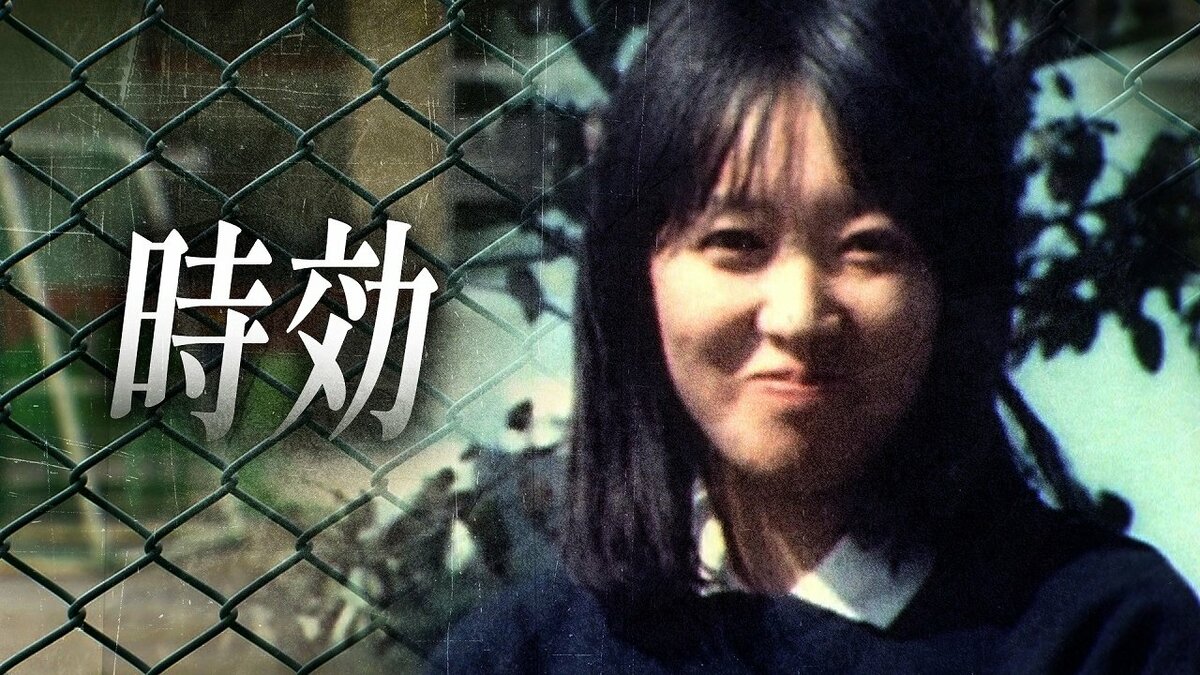
The chilling case of 29-year-old Chikako Ishikawa, who vanished without a trace in the summer of 1978, was long thought to be a tragic mystery. For decades, her family searched desperately, even suspecting she had been abducted by North Korean agents. Both of her parents passed away without ever knowing her true fate.
In August 2004, the skeletonized remains of 29-year-old Chikako Ishikawa were discovered buried 1.5 meters beneath the floorboards of a residence in Adachi Ward. The body had been wrapped in a blanket and a vinyl sheet, buried alongside her underwear and a cash card that helped police identify her.
Ishikawa had vanished without a trace in August 1978. For decades, her family hoped she was still alive.
The gruesome discovery was finally prompted by a confession from the home’s resident, a former security guard at the elementary school where Ishikawa taught. The man, who was 42 at the time of the victim’s disappearance, walked into the Ayase Police Station in 2004 at the age of 68 and told officers, “I killed a person in the past. The body is buried under my floorboards.”
However, because the 15-year statute of limitations for murder at the time had long expired, the man walked free.
“Trap to get me fired”
According to court documents from a subsequent civil lawsuit, the fatal encounter took place on August 14, 1978. The man, then a 42-year-old security guard at the school where Ishikawa taught, claimed they bumped into each other in an empty hallway during summer vacation. He alleged they argued, she swung a bag at him, and when she screamed for help, he panicked.
“I thought it was a trap to get me fired. I was filled with rage and frantically choked her,” the man wrote in a statement. Former colleagues fiercely disputed this characterization, describing Ishikawa as a polite, gentle woman who would have simply apologized if she bumped into someone.
Following the murder, the man buried Ishikawa beneath a tatami room in his home. He fortified the residence into a bizarre, impenetrable fortress surrounded by barbed wire, high walls, and security cameras, refusing to let delivery workers inside.
A former guard at Chiba Prison, the man later admitted he feared being incarcerated in a facility where he had once worked. “I thought it would be better to die than be locked up there,” he wrote, explaining his refusal to turn himself in. He managed his guilt by closing his eyes and chanting to himself, “You have done nothing. You have nothing to fear.”
The man’s 26-year silence only broke because of a local redevelopment project. Facing a forced eviction and the demolition of his home, he realized excavators would inevitably uncover the bones. He confessed out of sheer self-preservation.
“Greatest memorial service”
Furious that the killer had essentially gotten away with murder, Ishikawa’s surviving family members filed a civil lawsuit, demanding he be held accountable. The Supreme Court ultimately ordered the man to pay 42.55 million yen in damages.
Shortly after the civil trial began, he legally divorced his wife on paper. He also relocated to a quiet town in the Kanto region with his wife. He lived in a fortress-like home surrounded by high walls and equipped with 12 security cameras.
Further, because the house was placed entirely in his “ex-wife’s” name, the man claimed he had zero assets and was incapable of paying the compensation.
Refusing to let the killer walk away unpunished, Ishikawa’s brothers, Ken, 58, and Masatoshi, 55, filed the civil lawsuit in 2005.
“What we can do now is get a judgment in a civil trial to make him atone. That is the greatest memorial service we can offer,” Ken Ishikawa said at the time, desperate to learn the facts behind his sister’s death.
Pay damages
The Tokyo District Court initially dismissed the family’s suit, citing the 20-year civil statute of limitations on claiming damages. However, the High Court reversed the decision, ruling it was grossly unfair to apply the statute since the killer’s concealment of the body meant the family had no way of knowing a murder had taken place.
The High Court ordered the man to pay 42.55 million yen in damages. In April 2009, the Supreme Court finalized the ruling, rejecting the killer’s appeal that he no longer held liability.
“In addition to clearing my sister’s regrets, I strongly felt that we would absolutely not allow him to just get away with this,” Masatoshi told reporters following the final ruling.
“I’ll beat you, you bastard”
He showed no remorse when confronted by the media. When a reporter for the network asked why he hadn’t turned himself in sooner, the man raised his cane and threatened the journalist, shouting, “Get out of the way! None of your business! I’ll beat you, you bastard.”
Despite the family’s legal victory, the killer never once appeared in court to face them, instead choosing to stay behind his walls and continue his daily routine of walking his dog.