TOKYO (TR) – Following a gruesome murder-suicide at a soapland bathhouse in Kobe City’s Fukuhara district, female sex workers are speaking out about the daily terror of dealing with obsessed clients and the extreme, sometimes bizarre measures they take to stay alive.
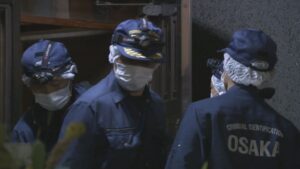
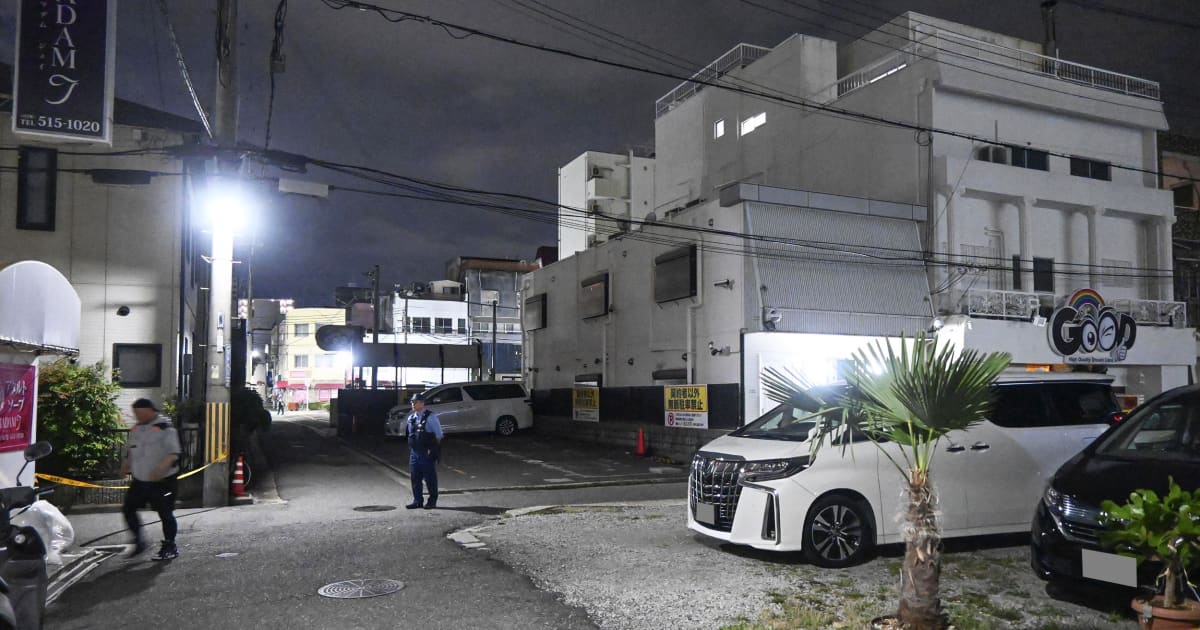
In June, a female employee and a male customer were discovered bleeding heavily inside a private room at a soapland in Hyogo Prefecture. Both were pronounced dead at a hospital. The woman had suffered multiple stab wounds to her neck and chest, while the man was found with a knife lodged in his own chest. Police believe the man murdered the woman before taking his own life.
Industry insiders revealed that the attacker was a “whale” — a high-spending regular who visited the establishment two to three times a week, even compensating the woman for lost wages on her days off. The tragic catalyst for the bloodshed? The victim had reportedly just gotten married, allegedly sending the obsessed client into a murderous rage.
The Kobe incident has sent shockwaves through Yoshiwara, Tokyo’s most famous red-light district. Three veteran soapland workers — using the pseudonyms Sayaka, Yoko, and Moe — recently shared with weekly tabloid Friday (Sep. 11-18) harrowing accounts of the life-or-death situations they face behind locked doors.
“I do this job prepared for the fact that I could be murdered at any time,” Moe said. “Every time I open the door for a new customer, I think, ‘I might die here today.'”

Stalkers and death threats
In a business where women are locked in private rooms with naked men, the vulnerability is absolute. The women detailed horrifying encounters with delusional clients whose professional visits morphed into dangerous obsessions.
Yoko recalled a regular customer who suddenly threw a plastic bottle at the wall before screaming, “I’ll kill you if you don’t date me!” Terrified, she was forced to fake her consent just to survive the session and escape the room.
Sayaka dealt with an older client who delusionally believed they were getting married. When she blocked him on messaging apps, he simply continued booking her by calling the bathhouse directly.
Moe described a stalker who bypassed her apartment building’s auto-lock to leave groceries and gifts on her door handle. Her survival tactic was highly unconventional: when she accidentally bumped into him outside her home, she pretended to be a raving drug addict.
“I slurred my words and started screaming strangely,” Moe recalled. “My middle school drama club experience paid off. He immediately changed his requested girl and wrote on an online forum not to book me.”
The “Hate Me” Defense Strategy
With physical self-defense nearly impossible, workers are forced to rely on psychological warfare. Banning a customer outright can trigger a violent reprisal. Therefore, the safest strategy, the women agreed, is to intentionally provide terrible service so the client grows to despise them.
“The most dangerous customers are the ones spending too much money,” Yoko explained. To safely cut ties with a client who is becoming too attached, workers will feign exhaustion, fall asleep during sessions, or slowly make it impossible for the client to book them, forcing a “fade out.”
Systemic Failures
The threat of extreme violence is not unprecedented. In Yoshiwara, a famous high-end soapland named Yuzuki saw a worker murdered in 2003 by a man seeking a murder-suicide. In 2023, another worker at the same bathhouse was stabbed to death by a client enraged over being denied a booking.
While high-profile murders have prompted some establishments to distribute panic alarms and install metal detectors, the workers dismissed them as mere window dressing that is never actually utilized.
Seeking police help is also a daunting prospect. Many workers hide their profession from family and fear the social stigma and invasive questioning that comes with a police investigation.
The blurring of professional boundaries — fueled by modern industry trends requiring workers to constantly message clients directly — has only amplified the danger.
“Modern soapland girls are forced to be too close to their clients in their daily lives,” Sayaka noted. Following the Kobe murder, Sayaka’s terrified fiancé begged her to stop working, prompting her to take a leave of absence.
Until strict, industry-wide security measures are enforced across districts like Yoshiwara and Fukuhara, women working in Japan’s soaplands remain trapped in a deadly game of roulette, hoping the next customer walking through the door isn’t a killer.