TOKYO (TR) — The sale, possession and use of the cannabis-derived compound cannabinol (CBN) will be strictly prohibited starting next month, the health ministry announced earlier this year.
Starting June 1, CBN will be a designated drug under the pharmaceuticals and medical devices act. Violators of the change will face criminal penalties, reports NHK (May 23).
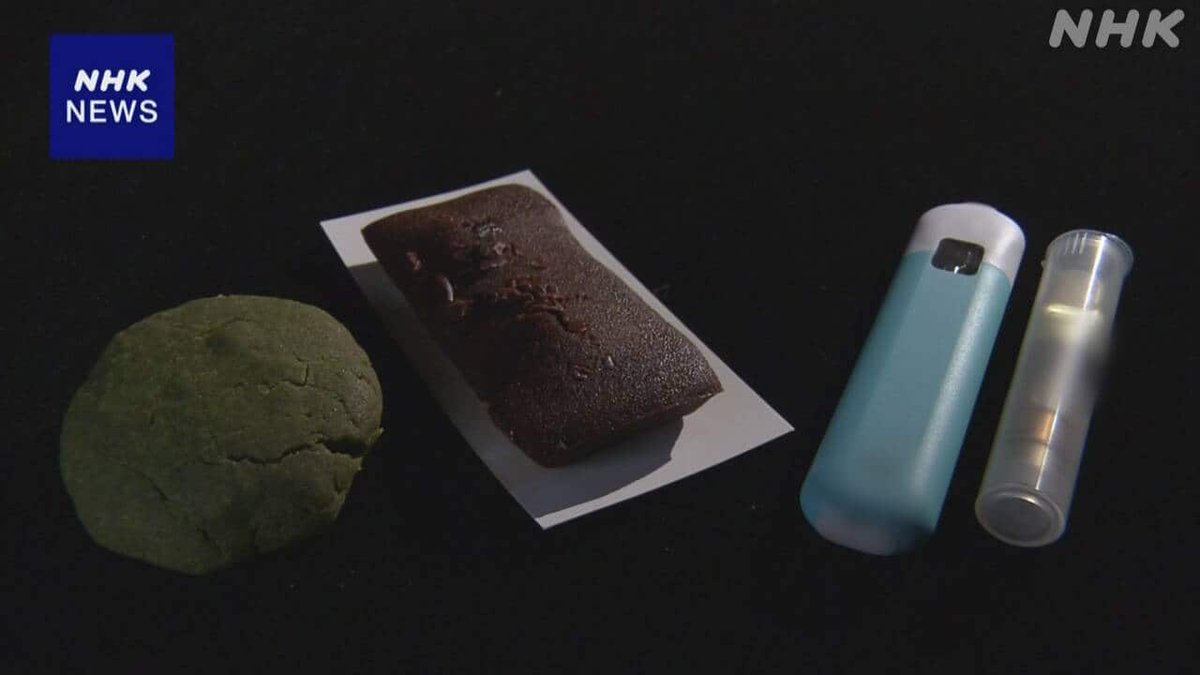
The crackdown comes after a string of emergency hospitalizations linked to the substance. In one severe case last May, a university student in Yamanashi Prefecture sustained major injuries after leaping from a second-floor dormitory window after eating a cookie suspected to contain CBN.
Gummies and baked goods
Marketed to young people for its purported “relaxing” effects, CBN is an oxidized form of THC, the principal psychoactive constituent of cannabis. Exploiting legal loopholes, vendors have widely sold the compound online and in storefronts in the form of gummies, baked goods, oils and e-cigarette liquids.
Following laboratory testing that confirmed the compound can induce hallucinations and extreme excitation, the Ministry of Health, Labor and Welfare officially added CBN to its list of designated illegal drugs.
Authorities are urging anyone in possession of CBN products to dispose of them immediately before the ban takes effect. Exemptions will only be granted to patients who can provide a doctor’s certificate proving the substance is necessary for symptom relief.
“Legal high” culture
Despite the impending criminalization, a casual “legal high” culture remains prevalent among youth. On the streets of Shibuya, while many were unaware of the drug, some admitted to its use. A corporate worker in his 20s told reporters he ate CBN cookies because they were a trend at his university. “It was legal, so I felt no guilt,” he said.
A Tokyo man in his 30s, who regularly purchased CBN cookies online to help him sleep, admitted to experiencing terrifying side effects. “Once, I ignored the warnings and mixed it with alcohol. I became violently ill and it was a terrifying experience,” he said.
The man added that he intends to stop using the drug, but noted the government is fighting an uphill battle. “Whenever a cannabis-like compound is banned, a new product is developed. It’s an endless game of cat-and-mouse.”
This whack-a-mole dynamic has plagued Japanese narcotics authorities in recent years. In 2023, the government was forced to issue a blanket ban on synthetic cannabinoids like HHCH and HHCP after a wave of people collapsed in public spaces after eating so-called “cannabis gummies.”
Misconception
Harumi Seto, former head of the Kanto-Shinetsu Health and Welfare Bureau’s Narcotics Control Department, warned against the dangerous misconception that legal loopholes equate to safety.
“Some people think because a substance is unregulated and easily bought online, it must be safe. That is completely false,” Seto said. “Even if it isn’t regulated yet, the impact on the human body is unknown, and the consequences can be irreversible. I strongly urge people not to dabble in this.”
Medical experts echo the warning. Professor Masahiko Funada of Shonan University of Medical Sciences cautioned that CBN acts similarly to heavily restricted narcotics, bringing the risk of severe health damage, impaired motor functions, and drug dependency.