TOKYO (TR) – Japan’s yakuza once was a sprawling underworld empire boasting 200,000 members. Today, it is facing total extinction — not just from police crackdowns, but from an internal rot.
During their peak in the 1980s, the Japanese mafia generated an estimated 8 trillion yen annually through drug smuggling, gambling, and protection rackets. Today, crippled by stringent anti-gang laws and relentless police scrutiny, the syndicates are a hollow shell of their former selves.
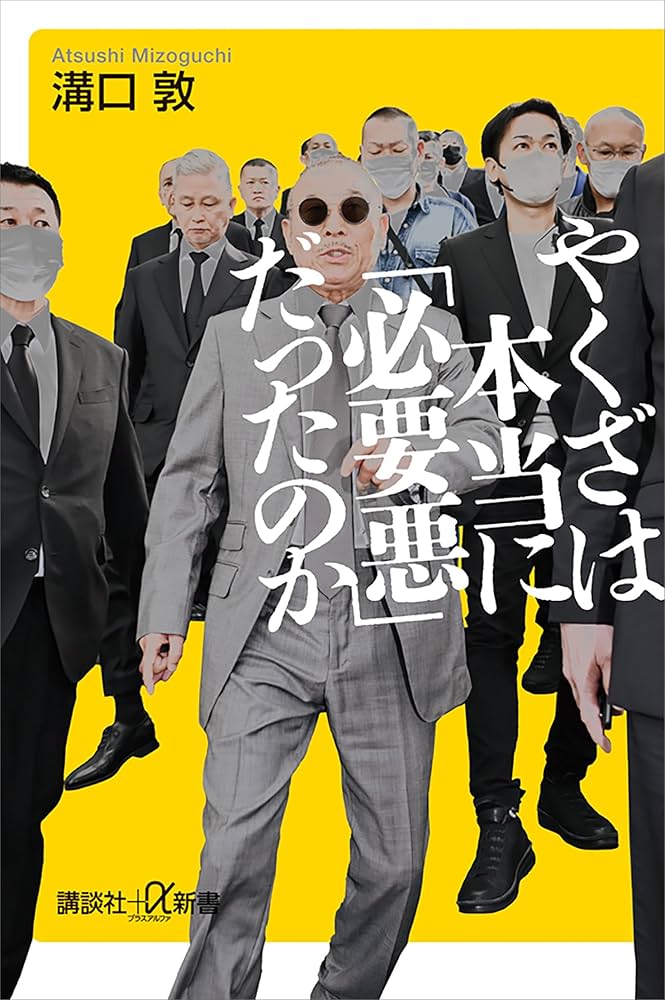
Author Atsushi Mizoguchi in his latest book “Were the yakuza truly a ‘necessary evil?'” argues that the days of supposed chivalry have been take over by a culture of greed, with the split of the Yamaguchi-gumi highlighting this trend. Furthering their demise is the arrival of the new kid on the block: bands of criminals organized by smartphone.
Pyramid scheme
According to an insider’s account, the collapse of the yakuza’s traditional code of honor was laid bare in 2010. It was then that former Yamaguchi-gumi member Jiro Yamamoto penned a “Petition for Dissolution.”
The document listed, one by one, what the current Yamaguchi-gumi needed to correct. His explosive manifesto revealed a syndicate that had completely abandoned its roots, mutating into a ruthless pyramid scheme driven solely by money.
In the past, monthly syndicate dues for the Yamaguchi-gumi were a mere 700 yen, meant to cover basic administrative costs and funeral expenses in a transparent system. Today, direct affiliate bosses are reportedly forced to kick up nearly 1 million yen a month to the syndicate’s headquarters.
To meet these exorbitant quotas, top bosses ruthlessly squeeze lower-tier factions — extending down to the fifth and sixth levels of the organization. “The current bosses are just blotting paper, sucking up cash,” the insider notes.
The shakedowns extend beyond cash. Headquarters reportedly forced affiliate bosses to purchase everyday items like bottled mineral water and detergent at marked-up prices. This petty hustle, allegedly spearheaded by the Nagoya-based Kodo-kai faction, flew in the face of traditional yakuza pride.
Historically, the yakuza strictly banned scammers and thieves from their ranks. Syndicates prided themselves on operating through “duty and humanity” (giri and ninjo), boycotting groups that harbored petty criminals. Kazuo Taoka, the legendary third-generation boss of the Yamaguchi-gumi, famously envisioned the syndicate as a fraternity of men with legitimate occupations.
“If Taoka saw today’s Yamaguchi-gumi, he would just call them a gang of criminals,” the account states.
Five years later, the Yamaguchi-gumi did in fact dissolve into two factions.
Tokuryu
As the traditional yakuza fade into obscurity, law enforcement is now facing a separate insidious threat: tokuryu, or anonymous crime rings whose members give and receive orders for violent crimes via smartphone apps.
Unlike the yakuza, who at least maintained a façade of a chivalrous code, these modern criminal networks operate in total anonymity. Stripped of any underworld romance or brotherhood, tokuryu exist strictly for profit, driving the recent surge in tokushu sagi (specialized fraud) schemes, violent home invasions and contract murders.
This begs the question: What is a modern yakuza to do?
With the government seizing traditional gambling rackets and anti-gang laws effectively banning mobsters from opening bank accounts or renting apartments, remaining in the yakuza leaves members with only one path: violent crime followed by a lonely death in prison.
For the few remaining mobsters, the message is clear. The only viable option is to disband. While a life after the mob may mean living in poverty — perhaps collecting cardboard and empty bottles just to survive — it offers the one thing the modern underworld can no longer provide: freedom.