
Japan and Singapore renewed their bilateral currency swap arrangement this month in a quiet but notable move for Asia’s financial safety net. The agreement strengthens both countries’ access to emergency liquidity and reinforces regional efforts to prevent market stress from escalating into a crisis. Officials framed the renewal as routine, yet its timing aligns with heightened global volatility and shifting capital flows across Asia.
What the Swap Line Does
The arrangement enables Japan and Singapore to exchange their currencies if market conditions become strained. In practice, it acts as a liquidity back-up whereby each side can access funds quickly if capital outflows, sharp currency swings, or funding shortages emerge. Authorities use such tools to stabilize conditions before stress spreads. The mechanism resembles an insurance policy more than a market intervention, and its presence alone can calm nerves among banks and investors.

How the Arrangement Works in Periods of Stress
Governments typically draw on swap lines when external shocks threaten local liquidity. Sudden yen or Singapore dollar volatility, a shortage of dollar funding in regional markets, or destabilizing capital movements can force rapid responses. Such swings often appear first in forex trading conditions, where sharp moves signal rising pressure on liquidity. A standing swap reduces the risk that either central bank must act under pressure. Access to partner currency helps maintain smooth settlement, ensures funding for local institutions, and prevents temporary stress from becoming a broader contagion. The deterrent effect is often more important than actual use.
Why Renewal Matters Now
The renewal comes amid uneven global monetary conditions and fluctuating capital flows influenced by policy shifts in the United States and China. These factors have raised uncertainty for Asian markets. Regional policymakers have increased their focus on “self-insurance,” expanding bilateral tools that reinforce stability without relying solely on multilateral action. Since the 1997 Asian Financial Crisis, Asia has steadily built its defensive architecture; swap arrangements are a core component of this system.
Japan’s Stabilising Role
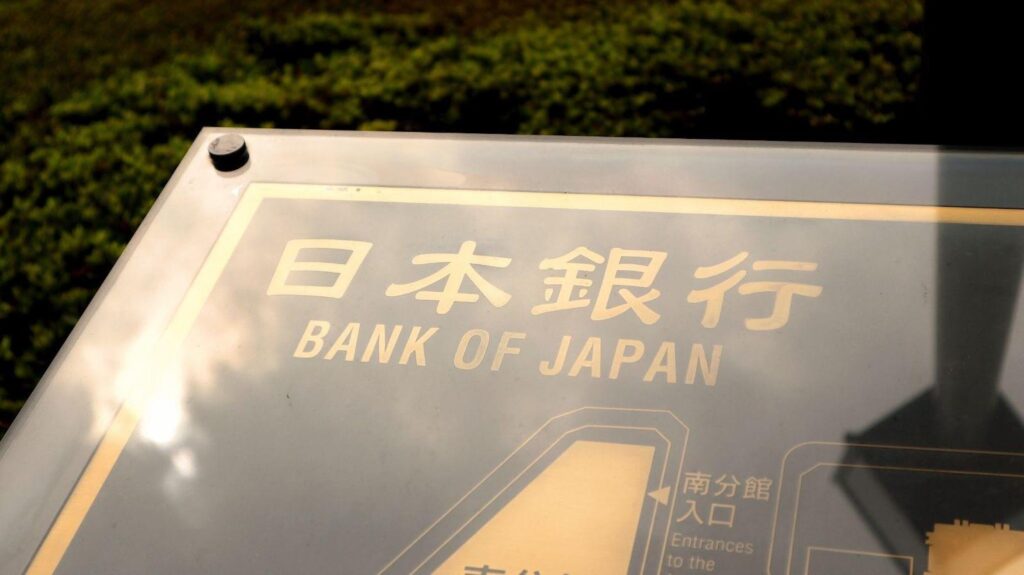
Japan remains a key financial anchor in Asia. Its institutions are often viewed as backstops during periods of regional strain, and Tokyo has a long record of extending liquidity support when shocks hit neighbouring markets. Renewing this agreement underscores Japan’s commitment to maintaining stability during turbulent times. It also supports wider cooperation mechanisms, including the Chiang Mai Initiative Multilateralisation (CMIM), which coordinates crisis-response capacities across East and Southeast Asia.
Singapore’s Role As Southeast Asia’s Liquidity Hub
Singapore acts as the region’s primary funding centre, linking ASEAN banking networks, trade flows, and dollar-financing channels. A stable Singapore market is critical for Southeast Asian economies that rely on its liquidity. The swap with Japan offers an added layer of assurance for banks operating through the city-state, especially during episodes of global tightening or when investment sentiment weakens. Its presence signals that short-term volatility will not easily disrupt regional funding lines.
Interaction With Asia’s Wider Crisis-Response Systems
Although bilateral, the Japan-Singapore arrangement complements multilateral protections under CMIM. The broader network operates as a regional reserve pool, designed in response to the 1997 crisis, to prevent repeat episodes of rapid contagion. Renewals of bilateral tools strengthen the credibility of these larger frameworks. They also reduce reliance on emergency measures by allowing countries to address liquidity issues early, before they feed into cross-border instability.
Implications for ASEAN Markets
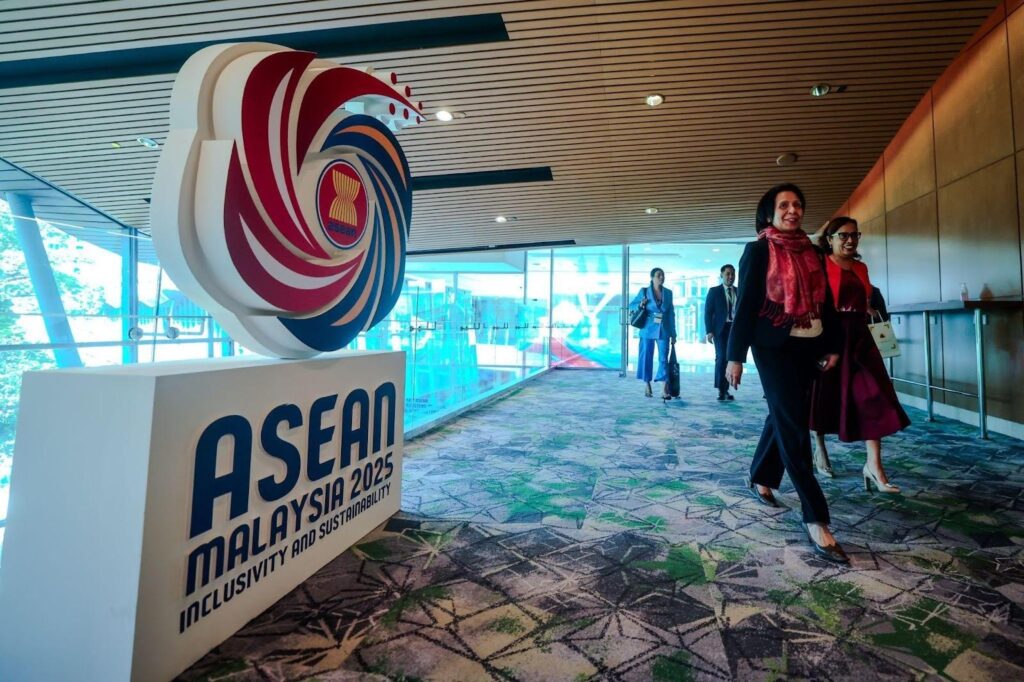
A reinforced Japan-Singapore line offers indirect benefits for nearby markets. Indonesia, Malaysia, Thailand, and the Philippines rely on Singapore’s financial linkages for trade financing and short-term funding. Knowing that Singapore has expanded liquidity access through Japan boosts broader confidence within the ASEAN region. The arrangement helps reduce the probability that stress in one market causes disruptions across regional banking channels. In volatile periods, even the most reassuring statements can help steady flows and maintain orderly trading conditions.
A Deterrent Against Panic, Not a Crisis Signal
Swap renewals historically occur during uncertain periods, but they are not indicators that a crisis is imminent. They reflect proactive risk management by central banks, which are aware of how quickly sentiment can shift. Due to markets reacting to expectations as much as reality, authorities use these arrangements to show preparedness. The message is simple: liquidity will remain available, even if conditions deteriorate. That signal alone can limit speculation and prevent runaway currency movements.
How the Agreement Fits Current Market Dynamics
Recent fluctuations in global rates and exchange markets have tested Asian currencies. As dollar funding tightens and capital positions rotate, countries with strong back-up arrangements face fewer disruptions. For Japan and Singapore, the renewed swap reduces the chance that external shocks translate into damaging funding shortages. It reinforces Asia’s broader push to protect itself from global instability through layered, locally anchored safety nets.
Japan-Singapore Currency Swap Renewal Is an Ongoing Asset
The Japan–Singapore swap renewal is not designed to draw headlines. It operates in the background, offering a safety net that strengthens confidence across East and Southeast Asia. Its quiet presence helps ensure that when markets strain, liquidity remains available and disruptions do not escalate. As global conditions continue to shift, such arrangements remain vital to maintaining regional financial stability.