
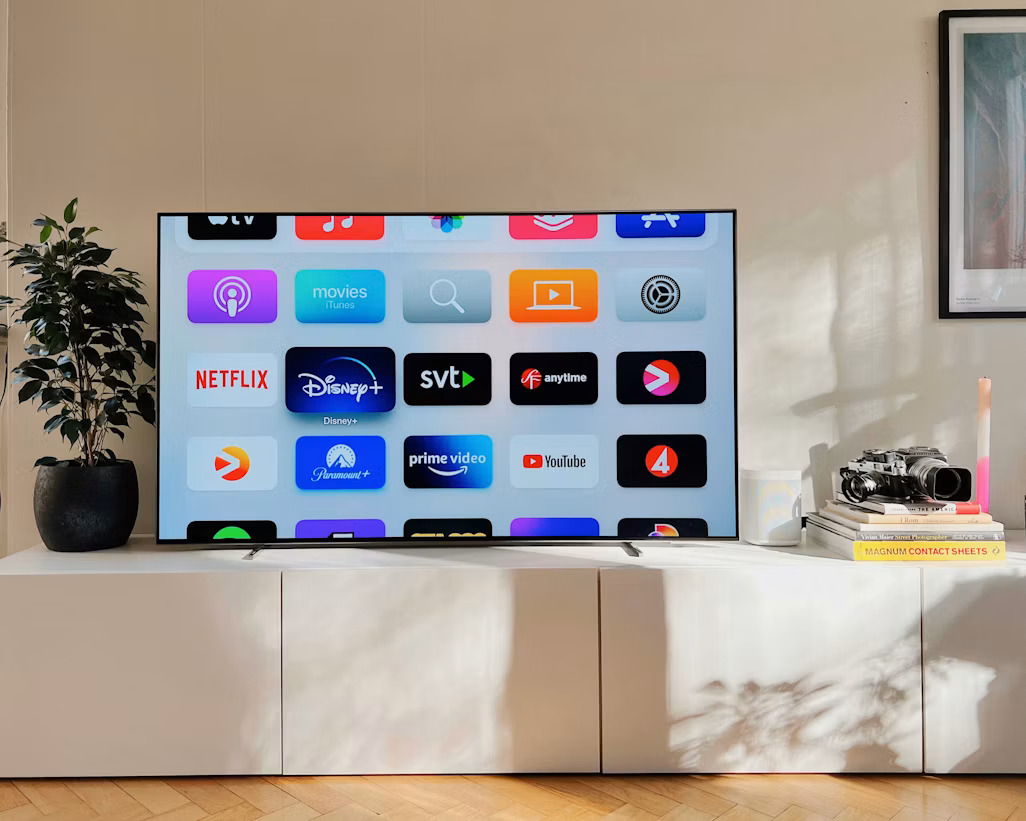
 A decade back, we would wait. Most games had to download overnight. Before a movie could buffer, it often began. A stream now loads as soon as you select it; this has not happened by accident.
At the same time, faster connections, improved hardware, and changes in what consumers have come to think is acceptable for an evening at home came together. At the same time, every home across Japan created new habits with no recognition or appreciation of how they relate to instant streaming. These habits have also changed the way people spend their evenings.
The Shift From Downloaded to Streamed Entertainment
Downloading was once an exercise in patience. You would choose a program or movie to watch the evening before, let it load overnight, and hopefully get to watch it the next day. The majority of those long waits are now history.
The instant access model has largely replaced the download/let-it-load model. Live video with real-time interactive elements has also been growing at roughly the same pace.
An obvious example of this trend can be seen in the growth of “free-to-play” sweepstakes models. These allow users to dive right into a game much like opening a video streaming service. Sweepstakes models enable users to compete (play) for fun via “redeemable” entries, which have become simply another form of entertainment and therefore are not considered a viable means of making money.
(source: https://igamingfuture.com/stake/free/)
The same infrastructure that makes this possible also runs video calls, workout classes, and group chats that stream live footage. Family game nights now often blend a streamed movie in the background with a phone game passed around the couch, all running on the same connection at once.
What’s Actually Making Real-Time Streaming Possible
Streaming is capable of providing fast download (streaming) rates. Similar to how the rate at which you can download something will impact your ability to get quality and smooth delivery, the same thing has occurred for upload rates during recent years.
Because of developments in both compression technology to allow for the distribution of high-quality video as well as other content in smaller bandwidth format types, and the declining price and size of products (i.e., streaming sticks or affordable phones), it is now possible for an individual to perform multiple activities on one product that would have previously required a series of additional game consoles or desktops.
Also, regardless of whether the user chooses a reliable app or product to stream from, they are completely reliant on their residential Internet services functioning correctly so they can continue to access the service. Thus, obtaining and maintaining a stable residential Internet connection is more important than ever before.
What This Means for Evenings at Home
Solo screen time is turning into shared screen time. Someone streaming a game in the living room might have a sibling watching from a laptop upstairs, both plugged into the same feed at the same moment. Households that used to split evenings between separate screens now often share one live stream across several rooms.
Broadband access plays a big part in that shift. Japan’s broadband infrastructure — among the fastest and most consistently available in the world — has made this kind of real-time, always-on streaming the default rather than the exception, giving more homes the connection speeds that real-time streaming needs.
Local venues are picking up on the same pattern. Izakayas and game centers across Tokyo have started running live trivia and real-time formats and real-time game formats instead of the old recorded quiz nights, mirroring what is already happening on home screens. For a look at how that trend shows up in local evening entertainment options, it is becoming a regular part of how people spend their free time.
You see, the pattern keeps repeating. Wherever there is a screen and a decent connection, real-time and shared viewing seem to follow.
Conclusion
The transition from downloads to streaming didn’t occur with an official announcement. Rather, it was a slow build-up: first, improvements in connectivity speed; then, smaller devices that could play content on demand; and finally, better compression technologies that allowed for more efficient video delivery over those improved networks. In this way, the new norm of instantly consuming all types of media shows how much things have changed in evening at-home activities.