
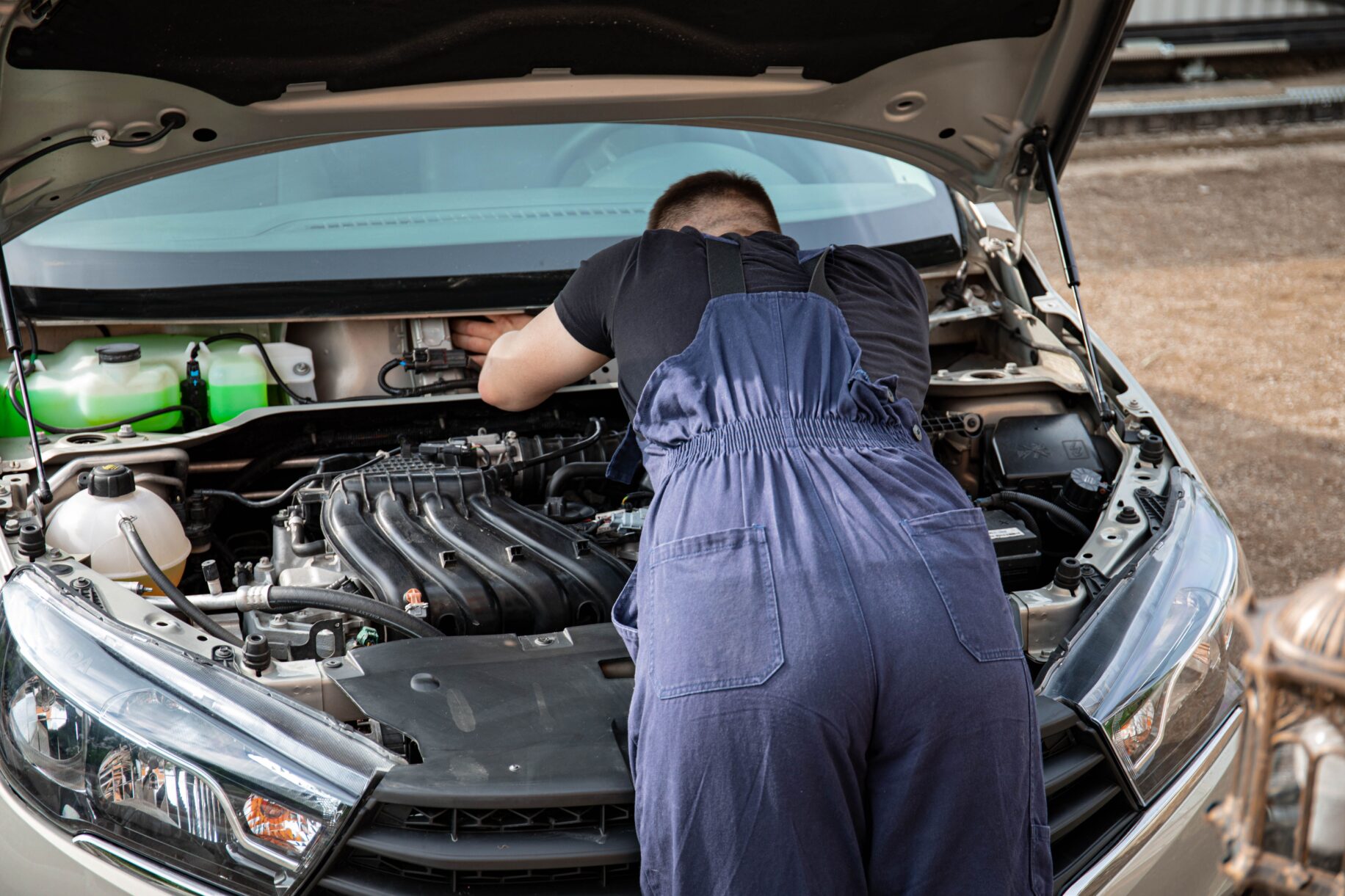
 Asbestos was widely used in the 1900s due to its durability and heat resistance. It was also considered cheaper compared to other options. These properties made it useful in several automotive components.
It can also still be found in some brakes or clutch components. According to the Environmental Protection Agency (EPA), some aftermarket brakes and other friction materials may still contain asbestos. Understanding how and when you may encounter asbestos at work and precautions you can take to minimize exposure. This article can help you stay prepared.
Where May You Encounter Asbestos
Asbestos was a common material used in the manufacture of automotive components because it is resistant to heat and friction. This is especially important in parts like brake pads, brake linings, and clutch facings. Even though modern manufacturers have largely phased out the use of asbestos in the production of vehicle parts, there are still some old parts that contain some asbestos.
The presence of asbestos cannot always be determined simply by looking at a part. Wear protective gear to avoid exposure and the risk of secondary exposure for your family. The risk is not limited to vehicles themselves; some older replacement or aftermarket parts may also contain asbestos. This is because its restrictions differ depending on the country.
Avoid Spreading Brake Dust in the Workshop
It may seem like using compressed air is the fastest way to clean brake systems. However, it can transform the settled dust into a cloud of particles. According to the EPA, the use of compressed air is not recommended for cleaning brakes made of materials containing asbestos. Similarly, dry brush techniques can disturb dust and lead to the dust pooling at the work site.
Instead of these methods, mechanics should adopt the correct wet-cleaning protocols or specialized methods for controlling dust to ensure that hazardous particles do not escape into the atmosphere. It may seem like a small adjustment, but it will lower exposure.
Be Extra Careful With Older Cars
The age and history of a vehicle can help assess whether asbestos-containing materials may be present. Older vehicles contain components manufactured during periods when it was commonly used. Some spare parts, especially some imported aftermarket parts, can also pose a risk.
If you have no idea about the material the part is made from, do not just assume it is safe. Check the manufacturer’s information, product sheet, and safety instructions. Employers and workers should follow applicable safety procedures and seek professional guidance when identification is necessary.
Understand Why Asbestos Safety is Important
The main reason asbestos safety should be taken seriously is that its effects may not become apparent immediately. It may take years before symptoms start showing. Diseases often linked to its exposure are mesothelioma, lung cancer, and asbestosis.
This does not mean that every mechanic who has worked with asbestos will eventually get sick. Repeated work-related exposure to asbestos definitely puts you at risk. Check out Mesothelioma Hope or similar resources if you want to get more information on asbestos-related diseases or are worried about previous occupational exposure. The resources offer personalized financial, medical, and supportive care for mesothelioma victims.
Endnote
Asbestos use is not as prevalent in today’s vehicle parts as it used to be, but you shouldn’t think it is completely gone. Anyone who works with brakes, clutches, or older models needs to be careful. First, find out what materials you are handling, make sure you do not perform any practices that will result in airborne dust production, and follow proper cleaning practices. You do not need to worry about every job involving brakes. Just be aware of what might create danger and learn how to operate safely.