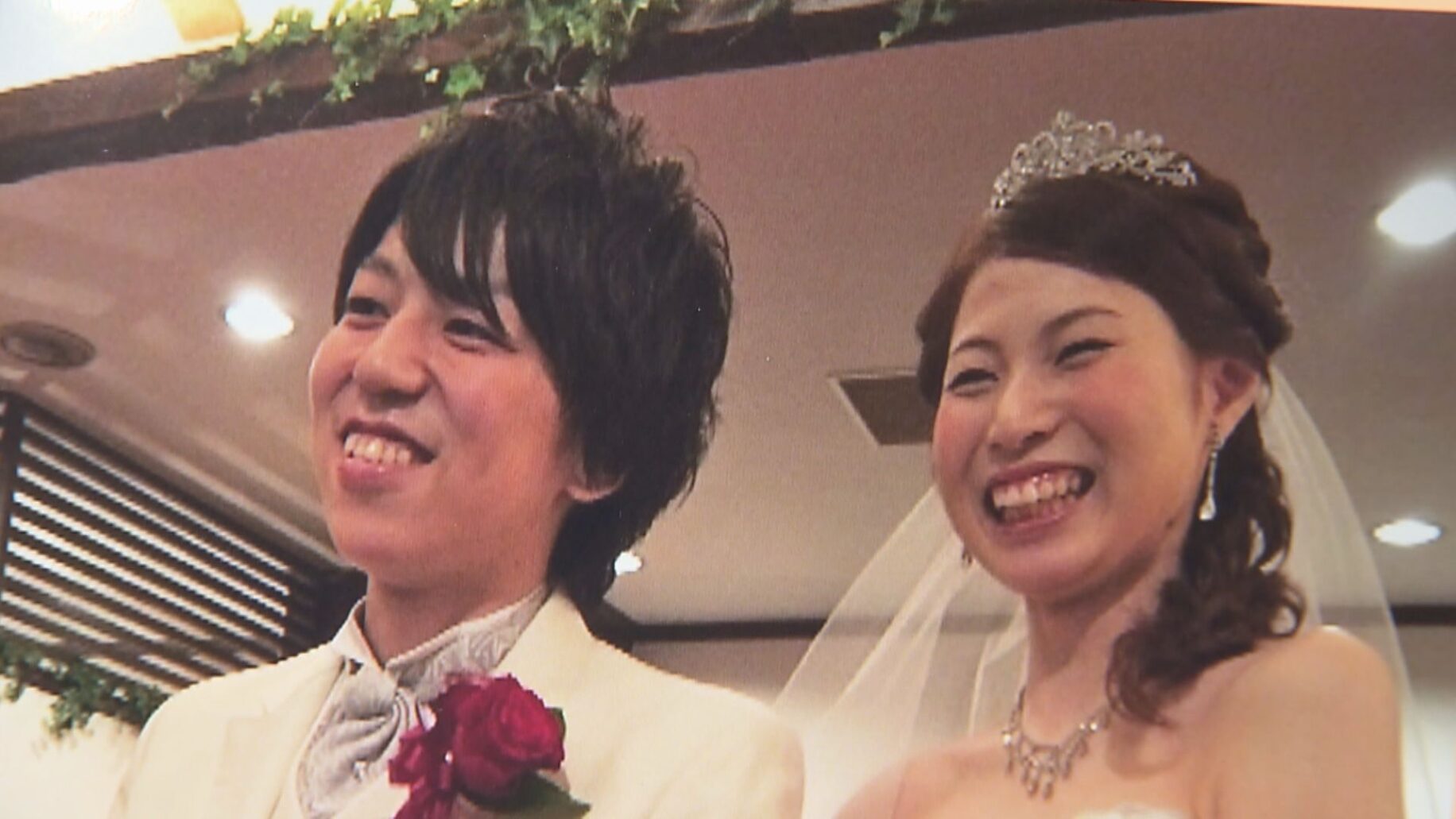
TOKYO (TR) – The Supreme Court has finalized a 19-year prison sentence for a 35-year-old man convicted of drowning his wife during a snorkeling trip in Wakayama Prefecture to collect on her life insurance, TV Kansai (Sept. 19,. 2024).
The Second Petty Bench of the Supreme Court, presided over by justice Koichi Kusano, dismissed an appeal filed by Takashi Noda, finalizing his sentence for the 2017 murder of his 28-year-old wife, Shiho, off the coast of Shirahama.
During the initial trial at the Wakayama District Court, prosecutors argued that Shiho’s death was not an accidental drowning.
A doctor who treated her testified that approximately 37 grams of sand were found in her stomach, leading prosecutors to assert that Noda had forcefully held his wife down against the seabed.
Extramarital affair
In March of this year, the Osaka High Court ruled that it was “unreasonable” for the lower court to determine it was murder based solely on the unnatural amount of sand in her stomach. However, the High Court still upheld the conviction based on a mountain of circumstantial evidence.
The court pointed out that prior to the incident, Noda was engaged in an extramarital affair, had taken out multiple life insurance policies on his wife and had conducted internet searches using phrases such as “making it look like drowning.”
The presiding judge concluded that while a slight possibility of an accident or suicide existed, the circumstances of Shiho’s death “perfectly aligned with a planned murder for insurance money.”
Maintained his innocence
Noda has consistently maintained his innocence from the beginning. Following the High Court ruling, he told reporters, “It is strange to be found guilty when the possibility of an accident remains. I still want to say I didn’t do it.”
Following the Supreme Court’s dismissal, Takayasu Tsugane, Noda’s defense lawyer since the initial trial, expressed his dissatisfaction with the finalized verdict.
“It is deeply regrettable that an innocent man will be sent to prison,” Tsugane said in a statement. “We plan to seek a retrial to prove his innocence.”