TOKYO (TR) – Two Japanese women lured to Indonesia with promises of an easy courier job found themselves held captive by a fraud syndicate and threatened with organ harvesting.
The incident, which emerged earlier this year, highlights the brutal reality of Southeast Asian scam hubs targeting Japan, reports Nippon News Network (July 19).
The women, in their 30s and 40s from the Kanto region, were rescued in April from a compound in Surabaya, Indonesia’s second-largest city. According to investigators, the pair had answered social media advertisements for a lucrative “hand carry” gig that promised easy money and time for sightseeing.
Instead, they were taken to a heavily fortified house in a high-end residential area.
Upon entering, the gates were locked behind them. Inside, shirtless Chinese men roamed the halls. Using a smartphone translation app, the bosses delivered a chilling message: “You were sold here for $25,000. There is no other way but to work here. Welcome to hell.”
“Place to die”
When the woman in her 40s begged to go home, offering to have her family wire the $25,000, her captors issued a grim ultimatum. She was told that any attempt to escape, cause a scene, or contact police would result in them being sold to a more violent gang for organ harvesting or forced prostitution.
“They said they would take me to a place to die,” she recalled. “I was so terrified, I don’t ever want to remember it.”
The nightmare ended on the third day of their captivity. Before her smartphone was confiscated, the woman in her 30s managed to share her GPS location with her husband in Japan. Realizing she was in danger, her husband contacted the Japanese consulate, triggering a raid by local police that resulted in their rescue.
Fake cops and corrupt officials
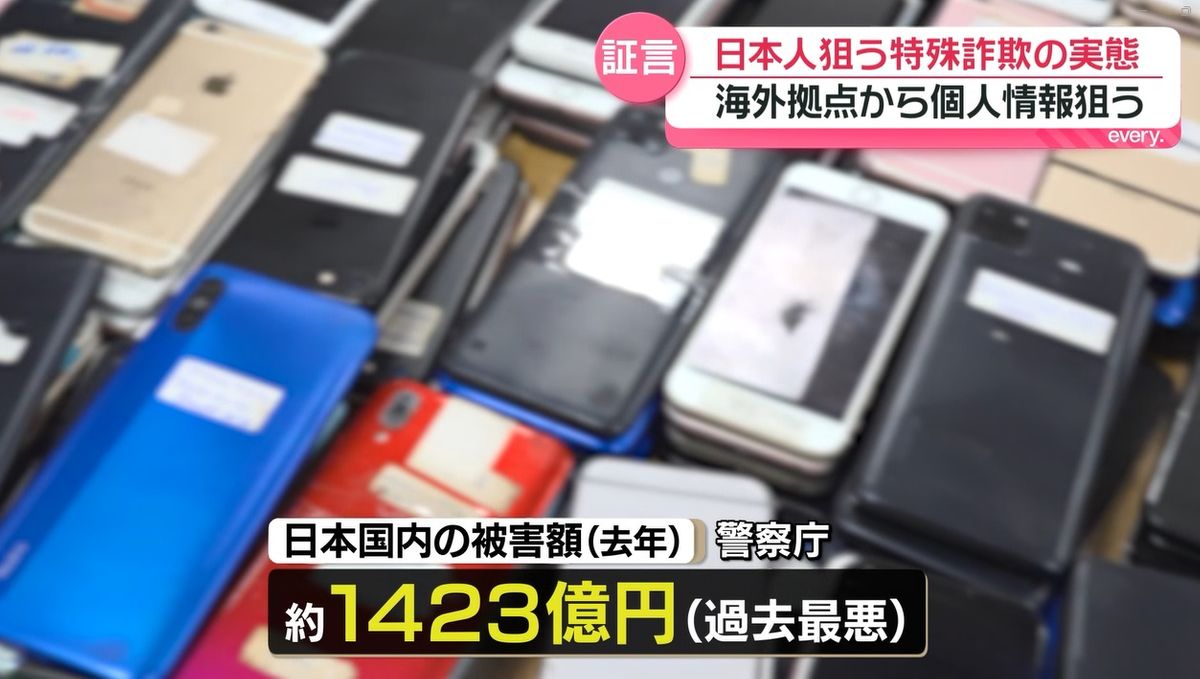
The Surabaya bust is part of a sprawling network of specialized fraud (tokushu sagi) syndicates operating out of Southeast Asia, causing record financial damage back home. Last year, fraud losses in Japan hit an all-time high of approximately 142.3 billion yen.
In a separate recent raid in Phnom Penh, Cambodia, local authorities and Japanese media gained access to a massive scam hub hidden inside an ordinary-looking apartment building. Sixty-five Chinese and Cambodian nationals were detained.
Inside, authorities found rows of computers used for international romance scams, as well as evidence specifically targeting Japanese citizens. Seized items included fake Japanese police uniforms and forged police badges.
Scammers operating from the Cambodian hub would pose as Japanese police officers, video-calling victims back in Japan to claim they were implicated in a crime. By sending photos of the fake badges and forging official “damage reports,” the scammers successfully extracted personal information and money from victims. One such forged document found in the Phnom Penh hub contained the perfectly accurate name, address, and birthdate of a man living in Asakura City, Fukuoka Prefecture.
Ties between criminals and law enforcement
These offshore syndicates often operate with the tacit approval of corrupt local authorities.
A Japanese recruiter who has sent workers to these compounds admitted to the deep ties between the criminals and local law enforcement. “The fraud groups are teamed up with Cambodian authorities and VIPs. The military and police are their backers. I can guarantee this 100 percent,” the man said.
When confronted with the allegations of police involvement, a representative for the Cambodian government’s online fraud task force did not deny the claims, stating only that any officers found to be involved would be prosecuted under the law.