
TOKYO (TR) – The crushing weight of Japan’s inheritance tax has been thrust into the political spotlight after the son of late actress Miho Nakayama abandoned receiving her 2-billion-yen estate to avoid a ruinous tax bill, reports the Sankei Shimbun (Apr. 9).
During a House of Councillors’ Financial Affairs Committee session on Thursday, Sanseito Party lawmaker Sayaka Shioiri demanded an overhaul of the nation’s tax system, citing the high-profile family drama.
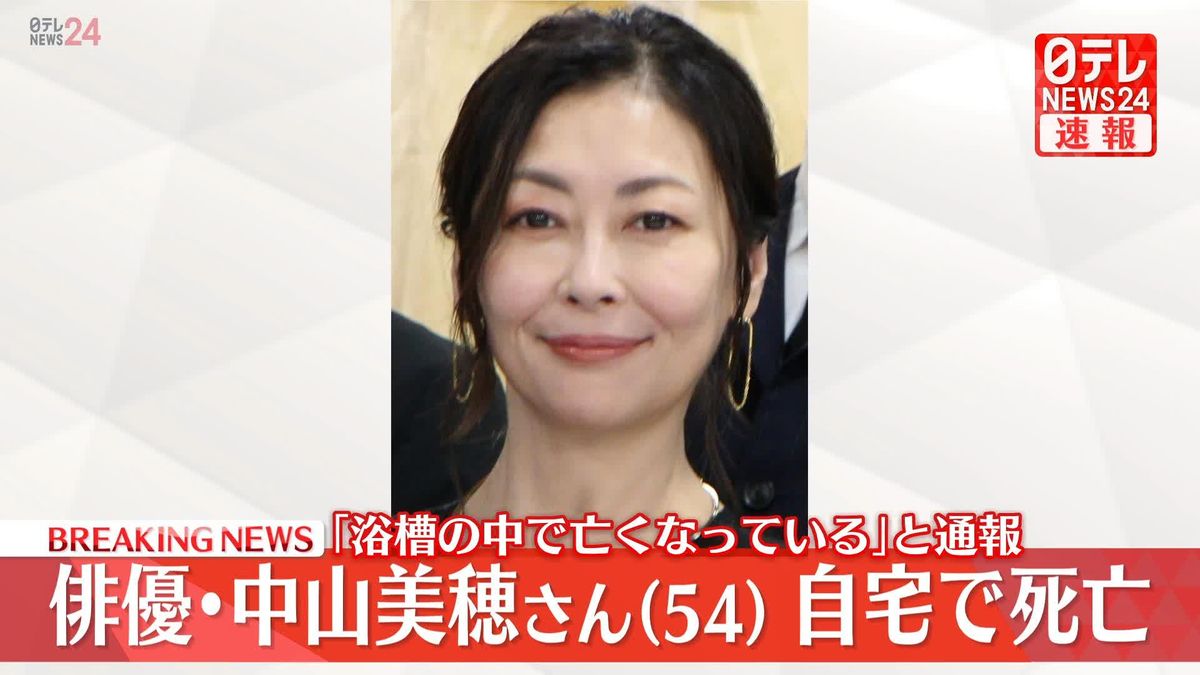
Nakayama, who shot to fame in the 1995 hit film “Love Letter,” died suddenly in December 2024 at the age of 54. She left behind an estate valued at roughly 2 billion yen, comprised mostly of real estate and lucrative royalties.

However, Japanese tax law mandates a staggering 55-percent maximum tax rate for inheritances exceeding 600 million yen. Worse still, the estimated 1-billion-yen tax bill must be paid entirely in cash within 10 months of the death.
Unable to liquidate the non-cash assets in time without facing fire-sale prices or incurring massive debts, Nakayama’s son, who resides in Paris, was forced to renounce the inheritance entirely.
“Public interest in the heavy burden of inheritance tax is growing,” Shioiri told the committee, pointing out that the strict cash-payment rule strips families of their rightful assets.
Family drama
The financial mess is compounded by a bitter family drama. With the son abandoning his claim, the 2-billion-yen estate reportedly defaults to Nakayama’s mother as the next legal heir — a woman the late actress was deeply estranged from for years.
Despite the uproar, the government showed no signs of budging. Deputy Finance Minister Shoji Maitachi brushed off the criticism, arguing that Japan’s “average” inheritance tax rate across all citizens is only about 14 percent.
“Some countries like the U.K. have a flat 40-percent rate, while the U.S. allows massive basic exemptions of over 2 billion yen,” Maitachi stated. “It is difficult to make simple international comparisons.”
Critics online, however, continue to slam the system, pointing out a glaring double standard: while grieving families are forced to surrender half their wealth to the state, political funds passed down by hereditary lawmakers remain entirely tax-free.