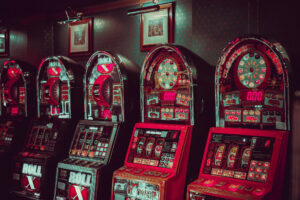
 Urban nightlife has never been fully planned. People go out after dark because they want something that does not feel scheduled or even predictable. Chance-based entertainment suits these preferences so much more than most formats. Not only does it introduce uncertainty into various entertainment venues, but it also reduces something that might otherwise feel exceptionally repetitive. These experiences do not focus on prizes alone. They actually give people something to respond to or react to together, ensuring these venues remain active late into the night, and at the same time, help cities maintain momentum.
Across various urban city centers, chance-based formats fit comfortably in typical spaces like bars, music venues, and late-night food spots. They are now naturally a part of nightlife, and it keeps people engaged.
Chance As A Social Shortcut
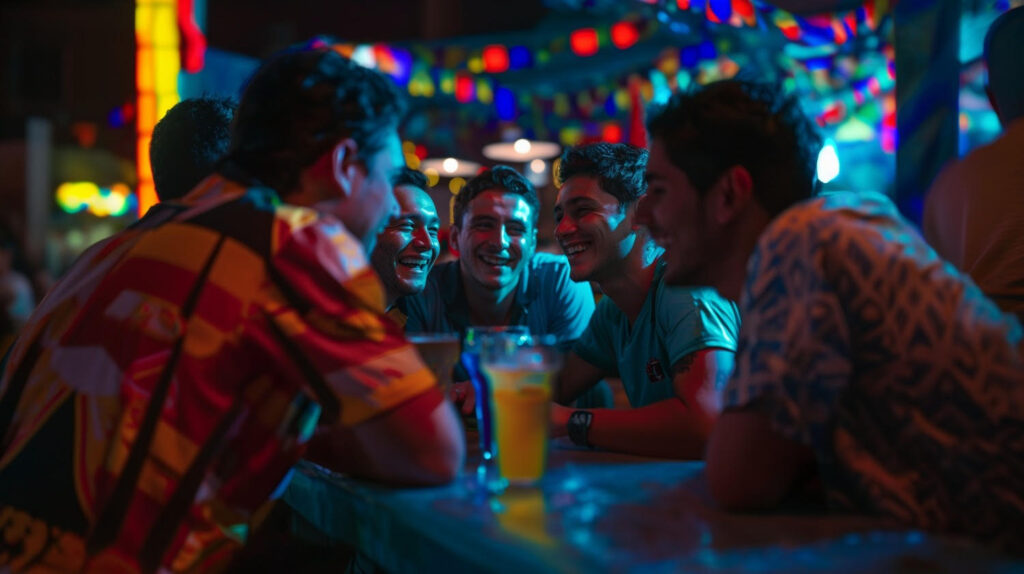
A surprising quiet strength of chance-based entertainment is how easily it brings people into the same moment. A shared outcome completely removed the need for forced, small conversation. A close call, a surprise result, or even a sudden win gives everyone something to talk about and share. It breaks the ice without anyone having to try harder to fit in.
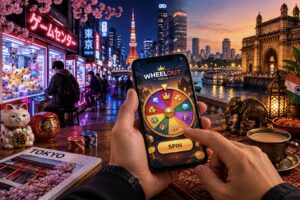
Technology has plenty to do with this idea. Online digital tech makes chance-based gaming possible from a laptop, phone, or tablet compared to sitting in a single room or venue. For instance, a telegram casino shows how far technology has advanced. People can access poker, slots, and table games through social messaging apps while using cryptocurrencies to handle payments. There is no physical venue, no tedious sign-up processes, and deposits and withdrawals are near-instant.
This type of experience is not limited to just a specific gaming genre. App-led trivia nights, online prize wheels, and live prediction games inside bars rely use the same chance-based entertainment to deliver faster outcomes. The idea is to keep attention focused and feed that energy back into the room. While the concept is different and tech does make a difference, the bottom line is that the role of chance stays as is.
Why Nightlife Leans On Uncertainty
A bar that relies only on drinks has a natural ceiling. Once the first hour passes, energy often drops. Chance-based formats do a little further by giving people a reason to stay. There is always another round coming up or something else might happen.
That sense of anticipation keeps groups together. People linger because they want to see how it plays out. This matters more than it sounds. Longer visits mean steadier spending and smoother crowd flow. From a city’s point of view, that balance is valuable. Activity spreads across the evening instead of spiking and collapsing.
Venues That Hold The Night Together
In many districts, chance-based venues work similarly to anchors. Large entertainment venues have their games, screens, and staff remain active. That reliability keeps people in the area longer, which matters once smaller bars begin to thin out.
These venues also change how crowds behave. Instead of moving in short bursts from bar to bar, people settle in one place and stay. That reduces sharp spikes in foot traffic and spreads activity across a longer window. Transport services benefit from staggered demand. Nearby food outlets see steadier orders rather than sudden rushes.
From a planning standpoint, this kind of venue is easier to manage. Entry is controlled. Activity is contained within a defined space. Staff are present at all times rather than rotating in and out. That structure makes these locations more predictable than alcohol-only strips, where crowds often peak and disperse at the same time. Over time, cities learn which venues can support extended hours without creating knock-on problems, and chance-based formats often meet that test.
Competitive Socializing
Competitive socializing is the difference between being passive, such as just sitting at a bar, and being active, which is activity-led, chance-based entertainment. Think of it as the “gamification of a night out.” It turns a night at the pub into a mini-tournament, using the elements of chance and competition to create a more high-energy, structured, and memorable social experience.
Think of tech-augmented darts that use cameras to track darts and calculate scores automatically, turning a traditional “old man’s pub game” into a fast-paced, loud, multiplayer party game. Luxury bowling & boutique ping-pong, on the other hand, takes games once found in dingy basements and places them in high-end environments with bottle service and DJs.
Barcades, again, are hybrid spaces where 1980s nostalgia meets modern craft beer. The “chance” element comes from the unpredictability of old hardware and the “luck of the draw” in multiplayer matchups.
Why It Continues To Fit
Chance-based entertainment works in urban nightlife because it answers practical needs. It gives people a reason to interact. It keeps venues active longer. It supports nearby businesses. It adds structure without making the night feel controlled.
Cities have always depended on shared experiences after dark. Dice, cards, wheels, and contests have been part of that story for centuries. What has changed is delivery. Screens and apps now sit beside older formats. The tools look different, but the purpose feels familiar. A night out holds attention longer when no one knows exactly how it will end.