
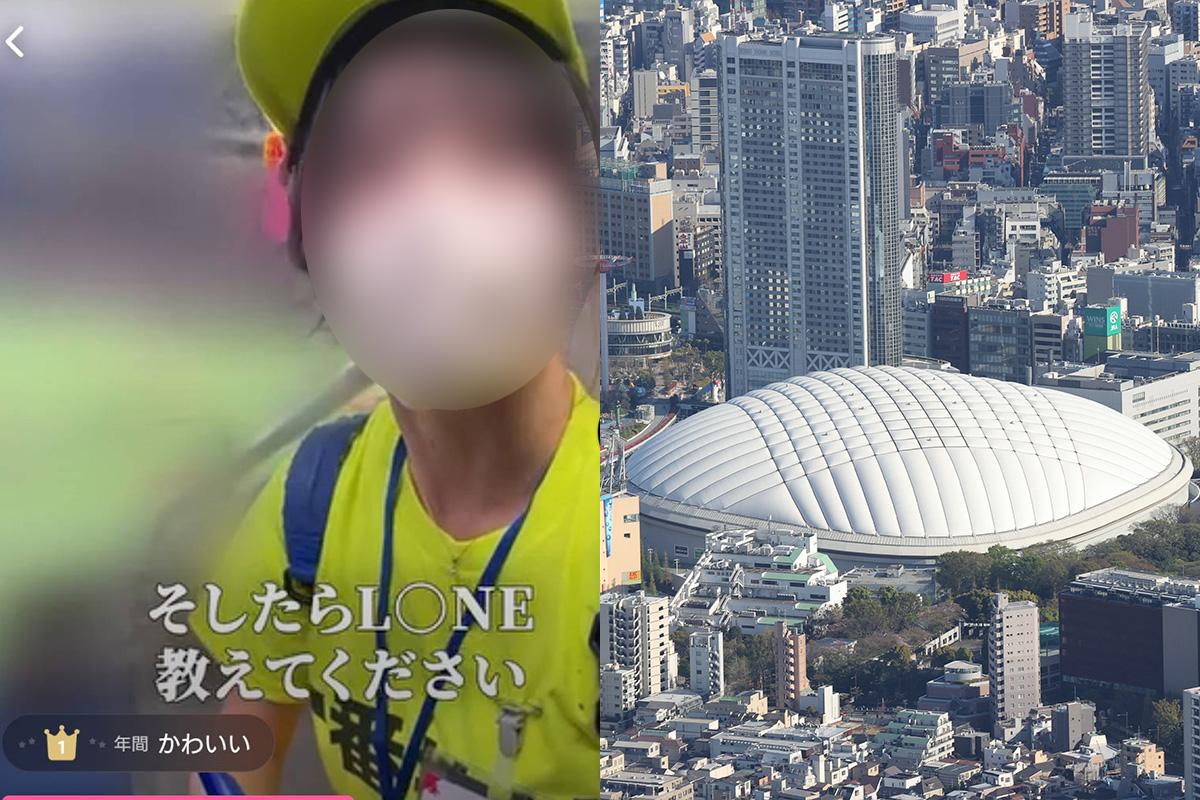
TOKYO (TR) – Tokyo Dome officials have launched an internal investigation after an amateur adult video (AV) featuring a woman dressed as a beer vendor went viral, sparking speculation that the illicit footage was recorded inside the stadium during a high-profile international baseball game.
As reports News Post Seven (Nov. 22), the incident is the latest in a troubling trend of content creators using public or semi-public spaces for the production of adult material for personal profit.
The video, which appeared on a subscription-based content platform, was titled “I hit on a super cute beer vendor at a certain dome and things got crazy.” The clip quickly surged to the top of the platform’s daily rankings, drawing significant attention on social media. Internet users quickly cross-referenced the content with the Japan-South Korea game held at the Tokyo Dome on November 13, suspecting the stadium as the location for the filming.
A spokesperson for Tokyo Dome confirmed to News Post Seven (Nov. 22) that the video appears to have been shot within their facility. However, after consulting with their contractors, the stadium stated that the individual in the video is not a staff member.
“We are currently considering taking strict action,” the spokesperson stated.
Station Booth
In September, a similar scandal erupted involving the Station Booth private workspace units located at JR East stations. Videos showing a self-proclaimed college student performing sexual acts inside the booths — which are only partially obscured by frosted glass — were sold online, forcing the operator to issue a formal warning against “inappropriate usage.”
Legal experts warn that such acts carry significant criminal risks. Saki Kuroki, an attorney at Osaka Gladiator Law Firm, told News Post Seven that those filming in public could face charges of public indecency.
“Guerrilla” adult content
IT journalist Yo Mikami notes that the rise of independent content platforms like Fantia and Myfans has fueled this surge in “guerrilla” adult content. With creators no longer needing agencies or professional production teams, individuals are increasingly turning to “flaming” marketing tactics — deliberately courting controversy to drive traffic to their paid channels.
“Whether it’s lying or causing a scandal, the goal is exposure,” Mikami said, pointing to past incidents where creators used Nara Park’s famous deer as a backdrop to draw global attention before funnelling viewers toward adult subscription sites. “If they get enough attention, their paid membership grows. For them, any publicity is good publicity.”
Despite the enactment of the AV New Law in 2022, aimed at protecting performers and regulating the industry, the explosion of decentralized, individual-led content creation has created a digital Wild West, leaving authorities and facility operators struggling to put out the fires of these “viral-at-all-costs” productions.