TOKYO (TR) – Toshiaki Masunaga, a death row inmate and a key mastermind behind the 1970s bombing campaign that terrorized Japan, has died in detention while undergoing treatment for a cerebral infarction. He was 78, reports Zakzak (Nov. 22).
The Ministry of Justice announced on November 22 that Masunaga, a member of the militant East Asia Anti-Japan Armed Front, died after developing aspiration pneumonia at the Tokyo Detention House. He had been receiving intensive medical care since July.
Masunaga was convicted for his role in the 1974 bombing of the Mitsubishi Heavy Industries building in Marunouchi, Tokyo. The attack, carried out by the extremist cell known as “Wolf,” resulted in 8 deaths and injured 165 others. The group targeted companies they accused of pursuing imperialistic expansion in Asia.
Masunaga was sentenced to death in the lower courts, and the Supreme Court rejected his final appeal in 1987. With his passing, the number of death row inmates currently held in Japan stands at 99.
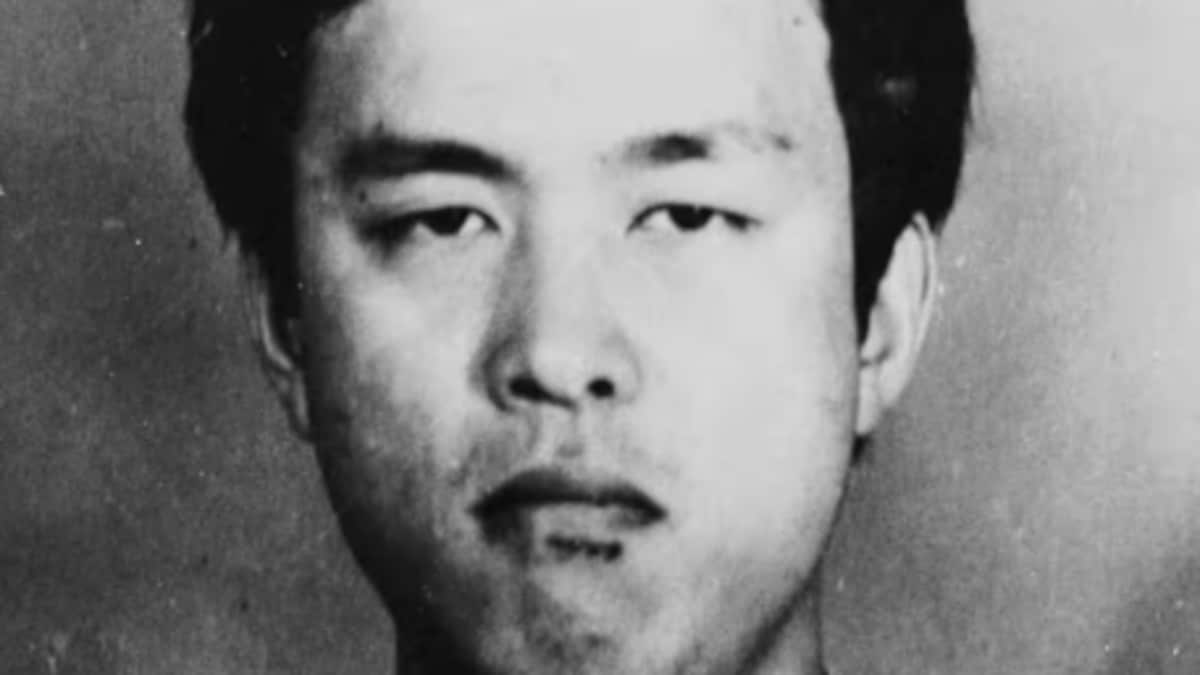
Satoshi Kirishima
The death of the aging radical comes amid a curious, modern-day resurgence of interest in the East Asia Anti-Japan Armed Front, a group that has largely been relegated to the annals of Showa Era (1926–1945) history.
Earlier this year, the public was captivated by the dramatic deathbed confession of Satoshi Kirishima, another high-profile fugitive of the same extremist network. After evading police for nearly 50 years — with his face plastered on “Wanted” posters at every police box in the nation —Kirishima revealed his true identity while hospitalized for terminal cancer in Kanagawa Prefecture.
The bizarre revelation turned a long-standing “urban legend” into a viral sensation, driving a new generation of Japanese youth to research the dark, violent history of the 1970s.
Observers note that while the group is being discussed more frequently, it is not out of admiration. Instead, modern discourse is focused on how “pure” ideological fervor can mutate into uncontrollable, indiscriminate terrorism.
As the remaining figures from that era continue to pass away, the brutal legacy of the “Wolf” group continues to serve as a haunting mirror for contemporary society, raising uncomfortable questions about the dangers of radicalization and historical trauma.