
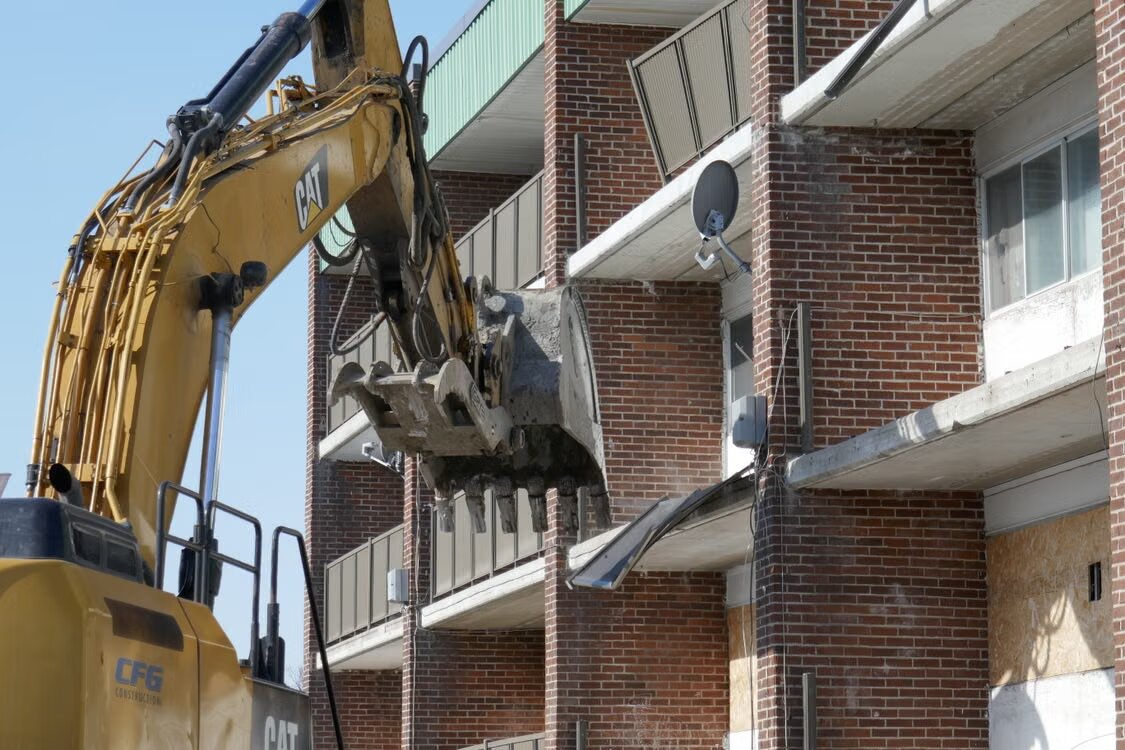
 For decades, asbestos has been regarded as a toxic substance that’s been known to cause lung conditions, the most fatal of which are mesothelioma and lung cancer. While international regulations have banned asbestos use in construction materials, older buildings still pose a considerable risk to occupants, and Japanese offices are no exception.
Asbestos and Japan’s Economic Miracle
Since 2006, Japan has banned asbestos-based materials for constructing homes and offices. However, before that, the country was a major importer of asbestos. The post-war years saw a construction boom, with the need for rapid recovery amplifying demands for construction materials. The 1970s saw a peak in asbestos importation amounting to more than 352,316 tons in 1974.
Japan’s economic miracle during this period coincided with a steady rise in reported mesothelioma cases. Researchers from the Osaka Medical Center for Cancer and Cardiovascular Diseases noted an uptick in these cases during the last half of the 1990s. Many of these were found to have been caused by occupational exposure, with over 162 cases of Mesothelioma and 197 cases of lung cancer compensated by March of 2000.
The Industrial Safety and Health Act of 2006 banned asbestos outright, but it was not until 2012 that a zero-exemption ban on construction materials with over 0.1% asbestos content took effect. This signals progress in the movement to protect Japanese workers from asbestos exposure, but the consequences remain and are still affecting those unfortunate enough to have contracted malignant conditions.
A Silent and Patient Killer
As of now, asbestos exposure continues to linger in the lives of those who were unaware of the danger the carcinogen posed. A survey cited by Asahi Shimbun found that an estimated 260,000 buildings that were built between 1956 and 1989 across Japan were constructed with materials containing asbestos, which was used as fireproofing and insulation during this period. The government had already enacted measures to demolish most of these buildings, provided they underwent mandatory asbestos surveys.
Employees who worked in these buildings may need to undergo CT scans, especially if they worked for more than 10 years there. The latency period of Mesothelioma starts in that range, so beneficiaries need to get tested. For the most part, the initial symptoms may not show until the tenth year or beyond.
Time is of the essence, especially for workers who were employed in heavy industrial environments or even office spaces that were built during Japan’s post-war recovery. It’s even more important for members of demolition teams tasked with tearing down buildings marked as asbestos hazards to undergo testing as well.
Finding Hope on the Road to Recovery
It may have been too late for victims of asbestos exposure, but support has become readily available. In countries like the United States, patients can easily contact a Miami or Atlanta Mesothelioma Lawyer to help them file an asbestos claim and recover compensation through private trust funds set up by bankrupt manufacturers.
Closer to home, support groups like the Japan Association of Mesothelioma and Asbestos-Related Disease Victims and Their Families are providing resources for victims. Meanwhile, the Supreme Court in 2021 ruled to form an asbestos trust fund in line with the 2006 Act on Asbestos Health Damage and Relief.
This provides compensation of up to 13 million yen in government-backed payouts. Settlements, however, are limited to employees exposed to asbestos-contaminated work environments no later than 2004. There is still much to be done to give Japanese employees exposed to asbestos renewed hope.