
TOKYO (TR) – Japanese female athletes are sounding the alarm as a surge in “athlete voyeurism” — the non-consensual sexualized filming of sportswomen — continues to spread across the country.
As NHK (Nov. 19) reports, the tosatsu (taking voyeur footage) phenomena is fueled by social media clout and a lack of effective legal recourse.
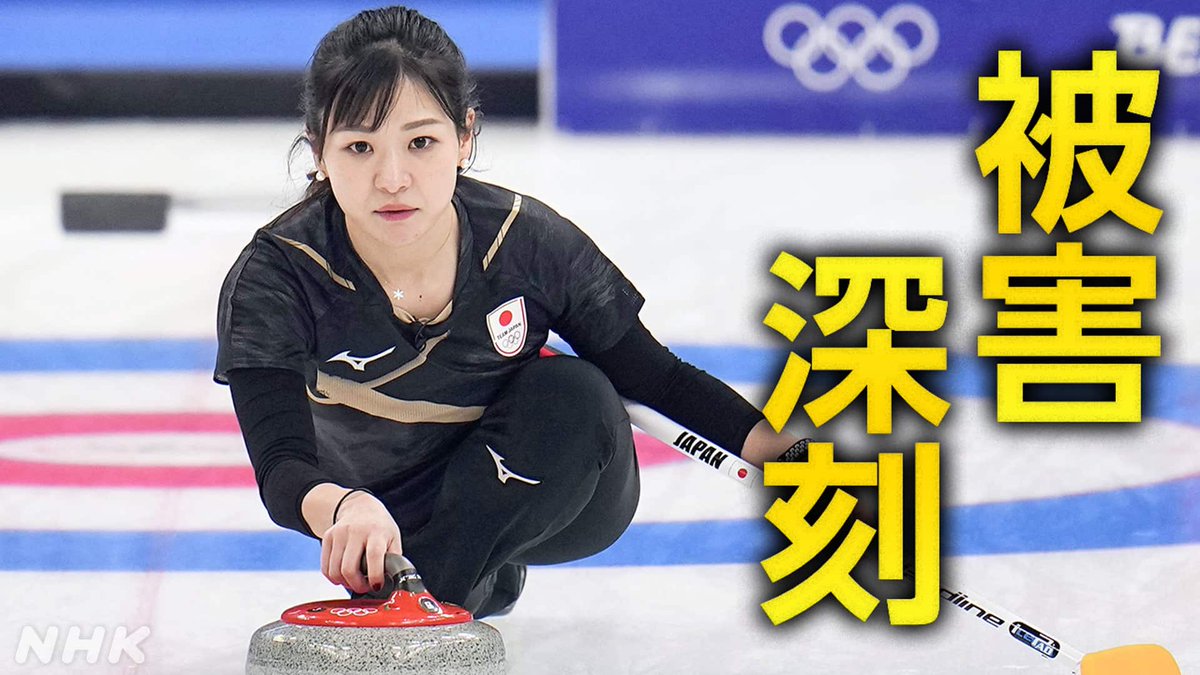
Olympic curling medalist Chinami Yoshida recently slammed the perpetrators during a Tokyo symposium, stating that the harassment persists because “they aren’t scolded, they don’t get caught, and they get ‘likes’ for it.”
The issue has reached a boiling point in professional sports. At a beach volleyball tournament in Nagoya this May, officials were forced to implement a total ban on photography after at least 10 individuals were caught zoomed in on players’ intimate areas.
“We wanted to use social media to grow the sport, but people were zooming in on players’ private parts,” said event committee chair Shigeru Kawai. “It was a painful decision, but we had to put the athletes first.”
“Cat-and-mouse game”
Despite heightened security, such as police patrols and surveillance at track-and-field meets, the situation remains a “cat-and-mouse game.” Officials have even reported cases of voyeurs using spy cameras hidden in sunglasses to bypass detection.
The legal reality remains a major hurdle. While Japan’s “voyeurism law” criminalizes the filming of underwear or specific sexual acts, it often fails to cover footage taken of athletes in standard uniforms, even when the intent is clearly predatory.
“We need a legal framework that treats photography with sexual intent as a punishable offense,” said attorney Yoji Kudo. “Society needs a shared understanding that this behavior is unacceptable.”
Psychological and professional
The toll on the athletes is psychological and professional. Two-time Olympic gold medalist swimmer Yui Ohashi revealed that unauthorized images of her continue to circulate online years later, leaving her and many others feeling helpless.
In response, some regional governments in Fukuoka and Mie have begun classifying such acts as sexual violence under local ordinances. On an international scale, the IOC has officially designated the online distribution of sexualized athlete imagery as “violence in sport.”
Defensive measures
Sports organizations are now taking defensive measures, including the development of new, less-revealing uniforms. Gymnasts and volleyball players are increasingly opting for leggings and materials designed to be resistant to infrared cameras.
However, athletes like Yoshida warn that the burden should not be on them to change how they compete.
“You might think it’s just a harmless hobby,” Yoshida said, addressing the voyeurs. “But if we are forced to wear more restrictive clothing that hurts our performance, and Japan’s sports history declines because of it, you need to realize the weight of that responsibility.”