KYOTO (TR) – Thirteen years after the brazen, gangland-style execution of the president of a nationwide restaurant chain, the trial of the yakuza hitman accused of pulling the trigger has concluded with the defendant maintaining his innocence to the bitter end, reports NHK (Oct. 9).
Yukio Tanaka, a senior member of the Kudo-kai — a notoriously violent designated yakuza syndicate based in Kyushu — is facing a life sentence for the 2013 assassination of the 72-year-old president of Gyoza no Ohsho (“Gyoza King”), a company operating over 500 Chinese diners across Japan.
With the verdict scheduled for October 16, the Kyoto District Court trial has been defined by unprecedented security, emotional outbursts, and a prosecution case built entirely on circumstantial evidence.
Due to the Kudo-kai’s reputation for targeting civilians, the trial was held without a jury to prevent potential retaliation against lay judges. Spectators passed through metal detectors to enter a courtroom where bulletproof glass separated the gallery from the trial proceedings.
Six-Second Execution
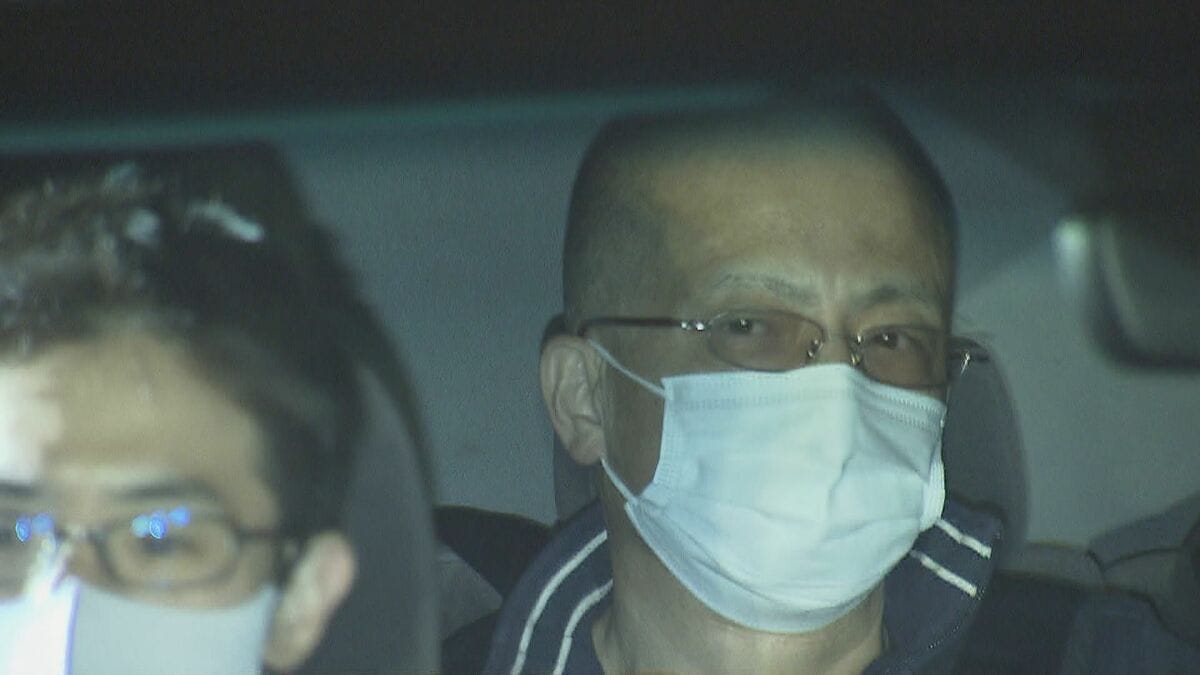
The assassination took place in the early hours of December 19, 2013. At around 5:46 a.m., 72-year-old president Takayuki Ohigashi arrived at the company’s headquarters in Yamashina Ward, Kyoto, to perform his daily routine of sweeping the premises before employees arrived.
In a span of just six seconds, an assailant approached and fired four shots into the executive’s chest and abdomen at point-blank range, killing him instantly. A large amount of cash left untouched in the victim’s car immediately ruled out robbery, leading police to suspect a highly planned hit by a professional who knew the president’s daily routine.
In 2015, DNA from a seemingly minor piece of evidence at the crime scene was matched to Tanaka, who was already serving time in prison for a separate offense. Tanaka was arrested in 2022, seven years after the release of DNA testing results.
“I am absolutely not the culprit”
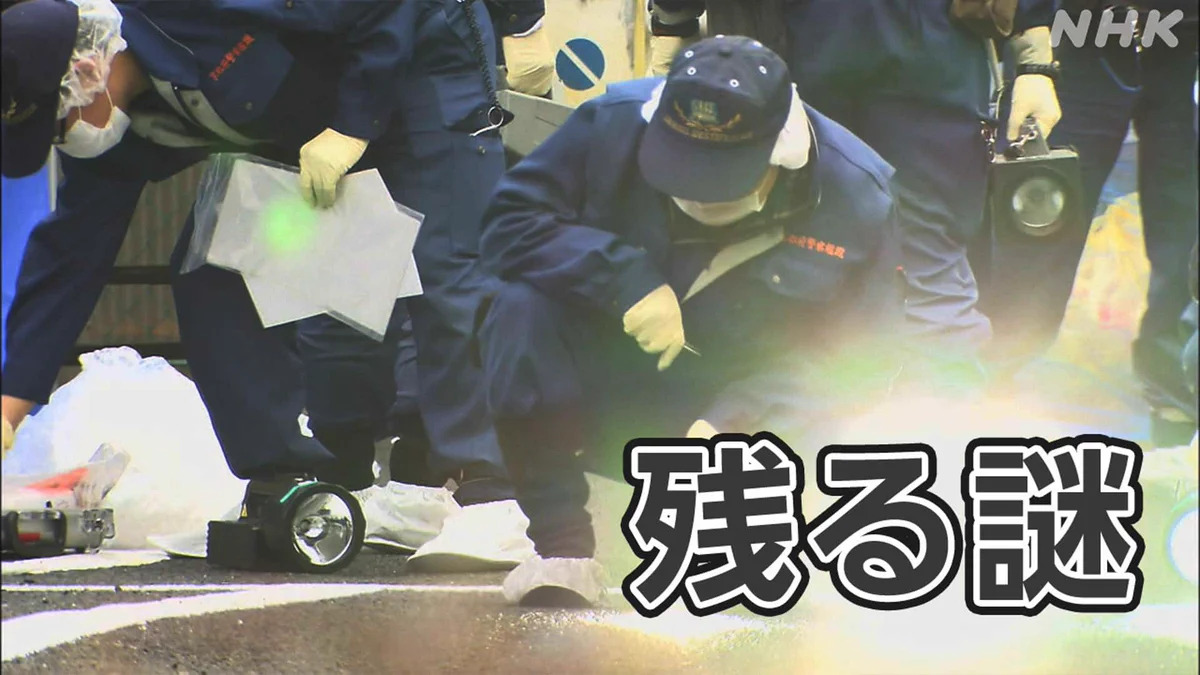
When the trial finally commenced in November 2025, Tanaka stared straight ahead and flatly denied the charges.
“I am absolutely not the culprit,” the yakuza boss declared. “As a man aspiring to the yakuza code of chivalry, I can accept a false accusation or two, but I absolutely cannot accept being tied to such a sensational crime.”
His defiance sparked an immediate, heart-wrenching reaction from the gallery.
“What do you mean ‘not guilty’? You targeted a civilian! You killed our precious father!” a female relative of the victim screamed, weeping as her outburst forced the judge to temporarily suspend the proceedings.
Later in the trial, during victim impact statements, family members pleaded for answers. “My father was devoted to his work… He did nothing wrong. Why did he have to be shot to death with a handgun?” one relative asked.
However, the courtroom proceedings would offer them few answers regarding why the hit was ordered.
Smoking Gun or Planted Evidence?
With Tanaka refusing to answer questions during the defendant interrogation phase, the trial became a grueling battle over circumstantial evidence—specifically, two cigarette butts left on the wet asphalt at the crime scene.
Forensic experts testified that the cigarette paper was fresh and unwrinkled, indicating it was smoked at the scene right before the murder and could not have been transported from elsewhere. The DNA on the butts was a direct match to Tanaka.
Prosecutors argued that Tanaka left them behind while lying in wait. They further asserted that a third party planting the cigarette butts to frame Tanaka was highly illogical, as framing a senior Kudo-kai executive would invite horrific yakuza retaliation. The prosecution also presented complex evidence linking Tanaka to a white mini-car seen near the theft of a getaway scooter, and a stolen motorcycle later found with gunshot residue.
The defense fired back, pointing out the lack of cigarette ash at the scene and questioning whether a highly trained hitman would casually smoke two cigarettes right before an assassination. They argued the butts were planted and suggested Tanaka might have been at his home in Fukuoka Prefecture on the day of the murder — though testimony from his wife was hazy due to the 13 years that have passed.
The Missing Motive
While police previously hinted at a vast, organized conspiracy, prosecutors spent 11 hearings over several months focused solely on proving Tanaka was the triggerman. They entirely avoided delving into the motive or the shadowy background of the crime.
A third-party investigative committee previously revealed that when the victim took over “Gyoza no Ohsho” in 2000, the company was drowning in debt and engaged in inappropriate dealings with sketchy corporate groups. The president was reportedly killed while attempting to clean up the company and sever those dark ties.
During closing arguments in June, prosecutors demanded life in prison, stating Tanaka carried out a “meticulously prepared, organized, and premeditated crime.” The defense maintained that the prosecution failed to prove beyond a reasonable doubt that Tanaka fired the gun, demanding a full acquittal.
Given a final chance to speak, Tanaka addressed the court in his regional dialect.
“I am truly not the culprit,” he said. “If I were allowed, I’d grab everyone in this courtroom by the shoulders and tell them, ‘I didn’t do it!'”
The Kyoto District Court will deliver its highly anticipated ruling on October 16.