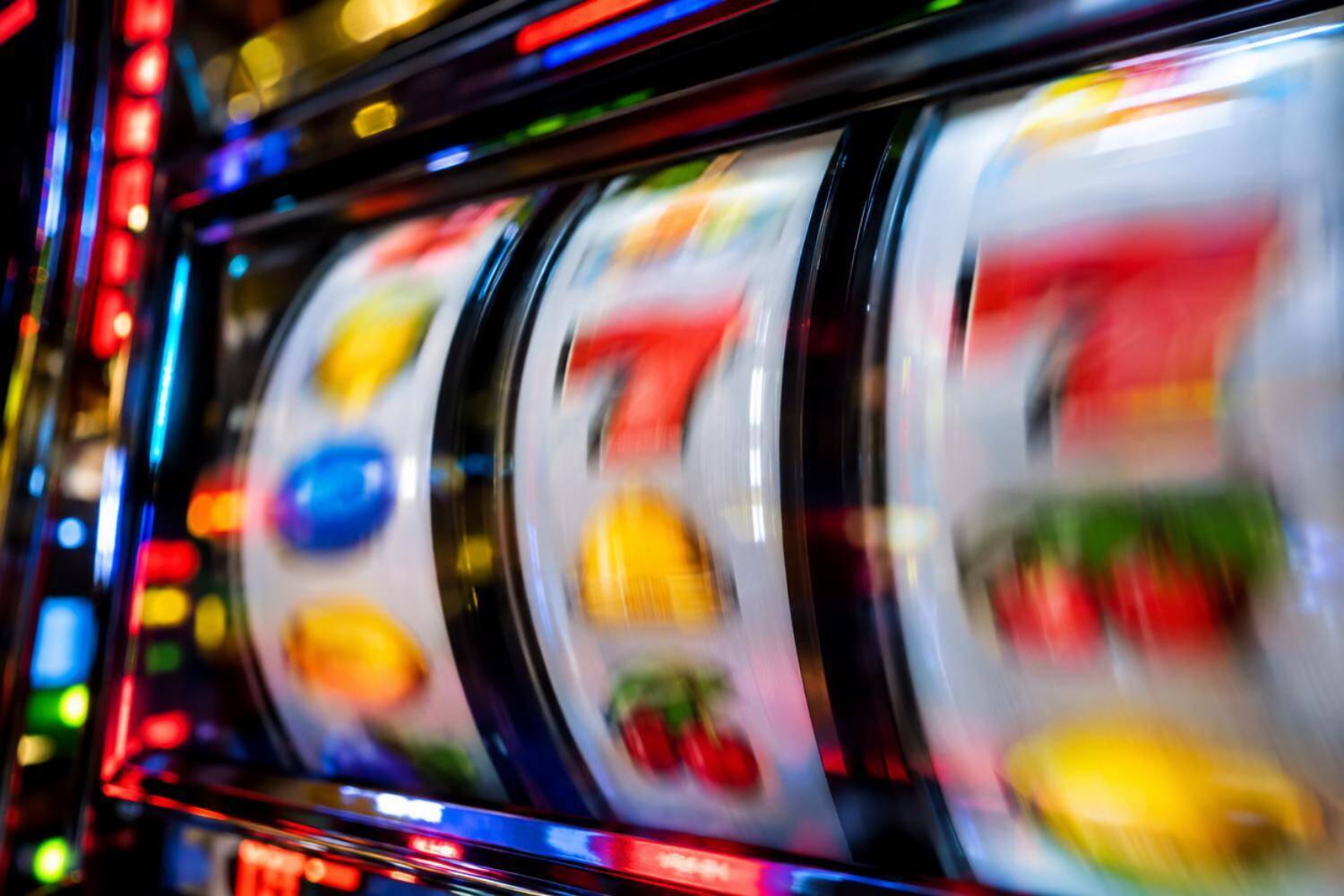
TOKYO (TR) – It has long been treated as an urban legend in Japan’s gambling underworld: sakura, or paid decoys, planted at specific pachinko machines to hit massive, pre-arranged jackpots to trick regular customers into believing a parlor is paying out.
But for one man, deceiving gamblers wasn’t a myth — it was a highly lucrative day job.
Kyoji Takeda (a pseudonym), a factory worker now in his 40s, tells Nikkan Spa! that he spent his early twenties operating as a professional decoy for pachinko and pachislot parlors. During the interview about his clandestine role, Takeda revealed how organized groups conspired with parlors to manipulate the psychological weaknesses of ordinary gamblers.
Highly lucrative
Takeda was an ordinary, losing gambler until one night in 2002, when an older acquaintance—an executive in a group of sakura—called him with a sudden offer: “Do you want to do a little part-time job?”
The terms were highly lucrative. Takeda was guaranteed a base daily wage of 15,000 yen, with a tiered bonus system depending on how much he won from the rigged machines. If a machine paid out an extra 100,000 to 150,000 yen, he received a 10,000 yen bonus. Profits exceeding 200,000 yen earned him a 20,000 yen bonus.
The operations were strictly controlled to avoid exposing the scam to regular customers or clueless floor staff.
Teams of four to five
Working three to four days a week in teams of four or five, the decoys were forbidden from interacting with each other inside the parlor. All communication was done via text message.
“To prevent information leaks, we weren’t told the location of the parlor until the day before or two days prior,” Takeda said. “We were also instructed to avoid wearing flashy clothes so we wouldn’t look suspicious.”
Once inside, Takeda required no actual gambling skill. He was simply directed by his boss to sit at a specific machine number that the parlor had pre-programmed for a high payout.
Lacked actual gambling skills
During his peak, Takeda’s most successful single run yielded over 20,000 medals — a payout of over 400,000 yen. Takeda walked away with his 15,000 yen base pay and a 40,000 yen bonus for the day’s work.
Averaging a monthly income of 300,000 to 400,000 yen as a decoy, Takeda quit his regular job at an izakaya restaurant. Yet, in a twist, the man hired to exploit gambling addiction fell victim to it himself. Because he lacked actual gambling skills, Takeda spent his off-days playing slot machines with his own money, frequently losing half or more of his illicit earnings.
Takeda eventually abandoned the sakura underworld after three years. By the mid-2000s, government regulators began cracking down on highly addictive “Type 4” slot machines capable of explosive payouts. As parlors transitioned to lower-payout machines, the demand for decoys plummeted.
“I was getting into my mid-twenties, and it wasn’t a job you could proudly tell people about,” Takeda admitted. “Anyone looking closely would know it was sketchy.”
Peaked in 1995
The era of massive payouts and rampant decoys has faded in tandem with the pachinko industry itself. According to the National Police Agency, the number of pachinko and slot parlors peaked at 18,244 in 1995. By the end of 2025, that number is projected to plummet to just 6,464.
Yet, the psychological trap that sakura helped pioneer remains a stark reality. According to a 2023 Ministry of Health, Labour and Welfare survey, an estimated 1.7 percent of Japanese adults are suspected of suffering from gambling addiction—many still chasing the illusion of the jackpot overflowing at the machine next to them.