TOKYO — This past May, a shocking video leaked onto X sent ripples across social media. Inside a sleazy Roppongi karaoke bar, a man stood atop a “human pyramid” made of completely naked women, pouring champagne over them and screaming, “This is capitalism!”
Though the man later claimed the video was staged, the bizarre spectacle fueled rumors and cemented Roppongi’s reputation as a frightening, unpredictable underworld hub.
However, veterans of the district’s nightlife claim the reality is exactly the opposite: Roppongi is actually the safest entertainment district in Tokyo, thanks to an iron-clad grip by organized crime, reports Spa! (Aug. 3).
“Roppongi is much safer than Kabukicho,” says Takehiko Yamamoto, 52, an influencer and former top scout who once pulled in 150 million yen a month for local kyabakura (hostess clubs). “Ordinary people think it’s a scary town full of nouveau riche and hangure (quasi-yakuza) thugs. It’s the exact opposite. It’s completely safe, and has been for over 20 years. That’s why guys with cold, hard cash — from IT presidents to fraud ring bosses — flock here.”
Underworld balance of power
While high-profile incidents — such as the fatal 2012 Club Flower attack orchestrated by the Kanto Rengo gang — gave Roppongi a violent image, insiders say a strict syndicate hierarchy keeps the streets quiet.
“Roppongi is firmly ruled by three organizations,” reveals a former yakuza boss who operated in the area. “One is a Yamaguchi-gumi affiliate. The second is a Sumiyoshi-kai affiliate. The most powerful is another Sumiyoshi-kai group that controls the Almond cafe area. The hangure gangs, like Kanto Rengo and Chinese Dragon, hang beneath them. Even these feared street gangs properly pay their respects to the yakuza before doing business.”
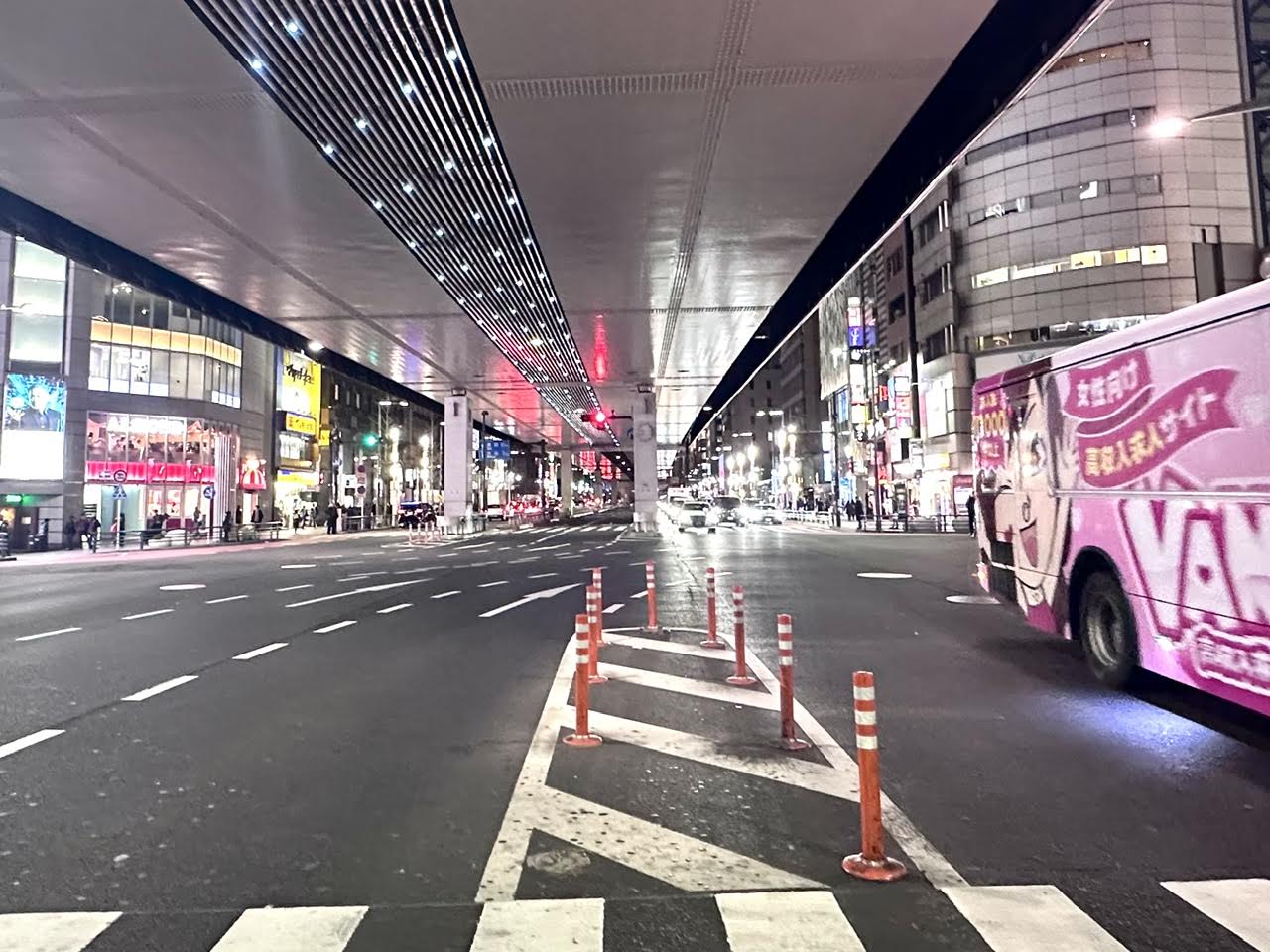
Unlike Shinjuku Ward’s Kabukicho — a chaotic battleground where rival gangs constantly clash over turf and individual bars have different underworld backers — Roppongi’s three syndicates maintain clear territorial lines. This “coexistence and co-prosperity” ensures disputes are rare, allowing wealthy civilians to party without catching a stray fist.
One-stop shop for vice
Operating under this yakuza umbrella, hangure groups run highly lucrative, closed-door VIP rooms for the ultra-rich.
“We don’t grovel to the yakuza, but thanks to them, peace is maintained,” says a hangure member who manages a local lounge bar. “Paying tribute is like buying insurance. It lets us do business safely.”
The business model is simple: cater to the wildest desires of deep-pocketed clients. Rather than dealing with the unwashed masses in Kabukicho, Roppongi gangs focus on high-margin exclusivity.
“Money attracts money, and perverts attract perverts,” the manager says. “It’s a comprehensive entertainment shop for rich adults. We have booze, we have drugs, we have women, and you can have an orgy. That is the common sense of this town.”
When VIPs want narcotics, the syndicate delivers with lightning speed. “Rich guys who want to do drugs can’t wait. If you can’t provide it immediately, they go to another club,” he adds.
Beyond the pyramid: elite depravity
According to insiders, the clientele includes successful tech founders, medical board directors, real estate investors, elite monks, and senior bosses of telephone scam rings. For these men, the viral “female body pyramid” is considered child’s play.
Behind closed doors, cocaine-fueled parties routinely feature extreme acts. Naked women are used as human sushi platters (nyotaimori) or forced on all fours to serve as “human chairs.” Another popular fetish among executives involves shio-nomi — mixing female bodily fluids with alcohol in luxury glasses. The women are lured in by massive payouts, organized by underground “attenders” who supply girls for the mega-rich.
Once these fixers get close to wealthy entrepreneurs, the relationship often spirals into darker underworld requests, such as money laundering or launching smear campaigns against corporate rivals.
Playground strictly for the rich
Despite its glossy, international facade, the hierarchy of Roppongi’s nightlife remains brutally strict.
According to underworld sources, the foreign touts and black bodyguards on the streets are strictly low-level subcontractors for the yakuza and hangure. “If a street-level dealer or foreign muscle gets cocky and lays a hand on a rich client or gang member, the yakuza crush them immediately,” the former yakuza boss explains.
Yet, post-pandemic Roppongi is changing. According to Yamamoto, ordinary partygoers are vanishing, leaving the district entirely dependent on its wealthiest, most corrupt patrons.
“The golden age is long gone,” Yamamoto says. “It’s just a few rich Japanese guys, scammers, and wealthy Chinese tourists throwing money around in closed worlds. That’s what the town has become.”
Indeed, behind the glitter of the Roppongi Hills complex, the yakuza-sanctioned bacchanalia of Tokyo’s elite continues unabated.