
TOKYO (TR) — Last year, social media was sent into a frenzy over the so-called “Coldplay kiss cam” incident, whereby two corporate employees, not married to one another, were caught in an embrace on a stadium video screen during a concert.
Clips of the incident then circulated with abandon. The woman later divorced her husband — and the TikTok memes are still going strong.
Less well known is that a very similar scenario had unfolded years before for an employee at Dentsu Inc., Japan’s most powerful advertising agency. In this case, an elite salesman’s elaborate plan to take his mistress on a fake European business trip was spectacularly ruined when the couple was broadcast kissing on live television during the soccer World Cup.
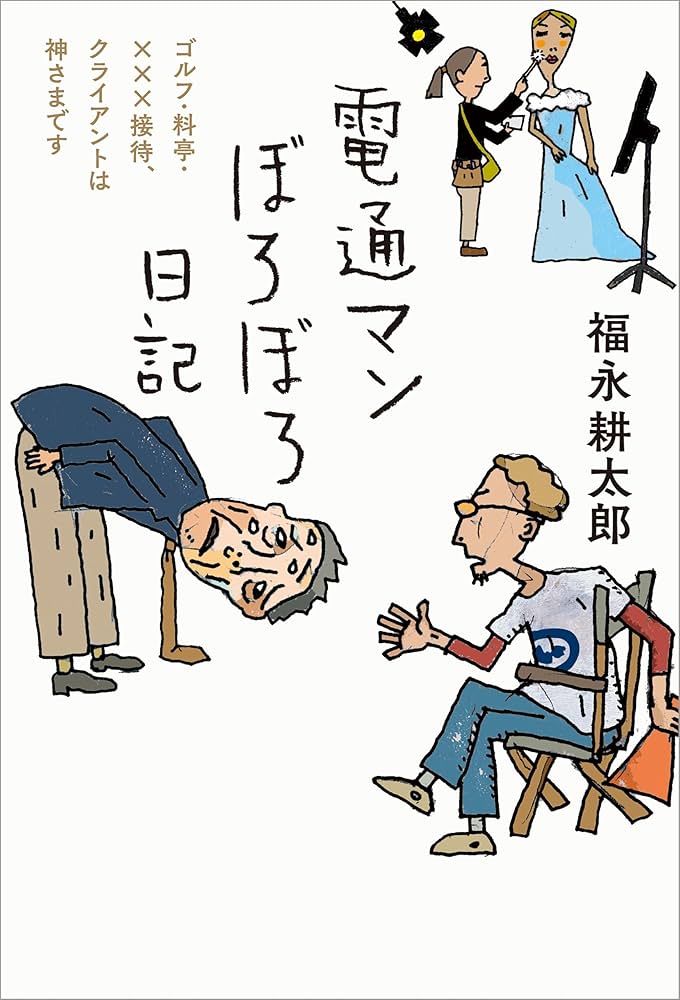
The shocking incident is detailed in a new exposé book, “The Battered Diary of a Dentsu Man” (Dentsu Man Boroboro Nikki), penned by former employee Kotaro Fukunaga. The book peels back the curtain on the rampant infidelity, nepotism and sleaze that once defined the corporate giant, reports Shukan Bunshun (July 19).
World Cup
According to the book, the highly praised senior salesman — referred to by the pseudonym “Tobimatsu” — had successfully sold a massive advertising package to an electronics manufacturer for the World Cup broadcast. As a reward, a television network gifted him an all-expenses-paid trip to Europe to watch the matches in person.
To exploit the free vacation, Tobimatsu submitted a legitimate one-week business trip request to his bosses, followed by a one-week vacation request. However, to deceive his wealthy wife, he forged a fake company itinerary claiming he was being sent on a “two-week overseas business trip.”
His wife sent him off without suspicion. Simultaneously, a female temp worker from the company’s general affairs department took a vacation for the exact same dates.
Shot of the crowd
The perfect crime unraveled on international television. As soccer fever swept Japan, Fukunaga was watching a match between two powerhouse nations when the live broadcast cut to a shot of the crowd.
“The camera captured two Japanese people whispering into each other’s ears and kissing as they watched the game,” Fukunaga writes. It was Tobimatsu and the female temp worker. The broadcast was seen by countless colleagues across the agency—and eventually made its way back to Tobimatsu’s wife.
Upon his return to Japan, Tobimatsu’s life briefly imploded. His wealthy wife divorced him within a month, stripping him of his luxurious lifestyle. The female temp worker was quietly let go from the company shortly after.
“Woman paid the price”
Yet, in a glaring display of corporate inequality, Tobimatsu faced zero disciplinary action from the agency.
“He came to work with his usual bright smile just days after the divorce,” Fukunaga notes. Tobimatsu’s bosses continued to treat him favorably. He eventually remarried, had children, and was promoted to the powerful position of Sales Director. “Only the woman paid the price for the affair,” the author reflects. “The world is truly unfair.”
The book also sheds light on the agency’s decadent culture of nepotism and escort parties.
Recalling his own informal hiring ceremony 30 years ago, Fukunaga realized he was the only new hire without elite connections, finding himself surrounded by the sons of politicians, newspaper executives, and corporate CEOs.
Following the ceremony, a fellow new hire—the son of an electronics magnate—invited several recruits to a luxury hotel suite. Thirty minutes later, three heavily perfumed women in tight bodycon dresses arrived at the door.
Fukunaga, who admits he was a virgin at the time and terrified of losing his innocence to women who looked like “European prostitutes,” made an excuse and fled the room — getting his first dark glimpse into the adult underworld of Japan’s corporate elite.