Top

Tour of Asakusa

August 29, 2010

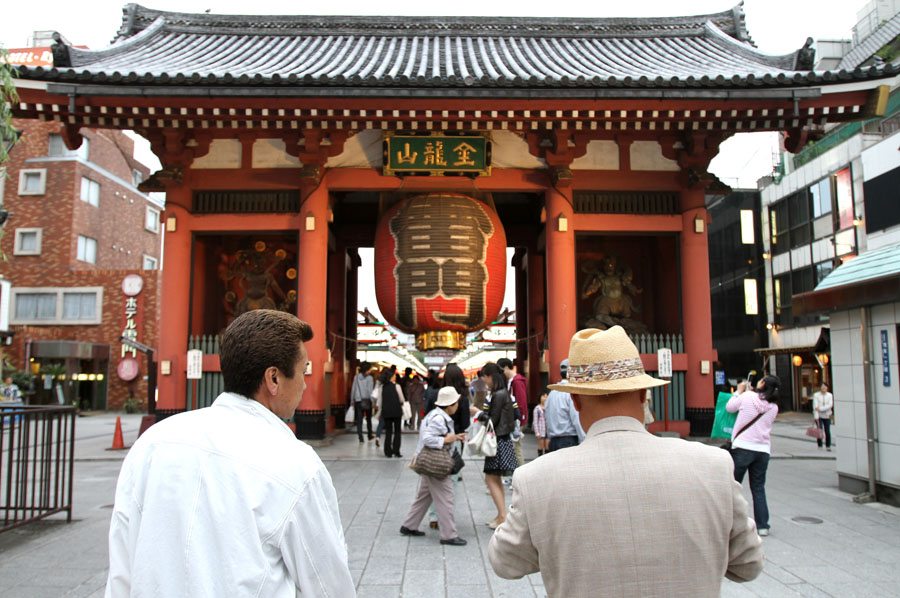
Kaminari-mon GateTOKYO (TR) – Tokyo can be crudely described as a metropolis of soaring and undulating concrete collectively illuminated by a glow of garish neon. Yet bordering the Sumida River in the east is the Asakusa district, which adheres to many of those characteristics but also retains certain cultural elements of life back in the Edo Period (1615 – 1868).

Tourists and locals will often flock to the area’s temples and shrines, which create a lively atmosphere around the New Year’s holidays, a prelude to the various festivals and carnivals held throughout the year.

It was once Japan’s version of Vaudeville, with one district having offered many performance theaters, a legacy that still lingers today.

Ladies in kimono shuffling through Asakusa’s narrow alleys is not an unusual site as it is one of Tokyo’s six remaining hanamachi, literally “flower town,” a reference to the locales in which customers can be entertained by a geisha.
Read more

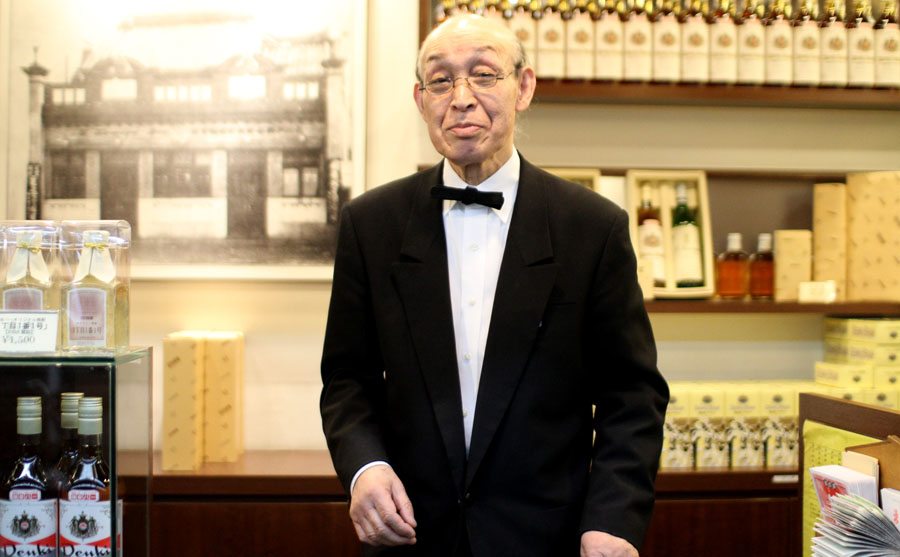
Denki Bran at Kamiya Bar in Asakusa

February 28, 2010

Shopkeeper at Kamiya Bar in Tokyo's Asakusa district displays bottles of Denki Bran, the bar's signature brandy-like drink

Shopkeeper at Kamiya Bar in Tokyo's Asakusa district displays bottles of Denki Bran, the bar's signature brandy-like drink

(Photo by Tokyo Reporter, February 27, 2010)

Tokyo in 24 hours

April 9, 2009

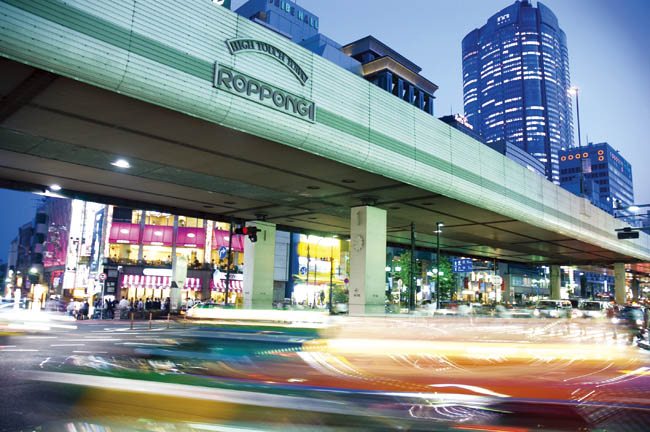
Roppongi at nightTOKYO (TR) – Tokyo is a sprawling and mercurial metropolis that often confounds the traveler. What follows is a guide for Japan’s capital for a single day’s stay. For navigation assistance, a peek at the Tokyo Metro subway map might be useful.

07.00: The world’s largest fish market is at Tsukiji, whose fishmongers provide a fascinating glimpse at just what lurks in the sea: massive tuna carcasses are carved by saws, eels squirm on tables, and clams fill buckets. Yet care should be taken as the slick-floored, darkened maze of stalls is continually inundated by steady streams of gasoline-powered carts and ice haulers. No flash photography is allowed during the live tuna auction but there is a distinct viewing area. Inside the market grounds is restaurant Yamato, which serves truly delicious morning sushi sets for around 2,000 yen.

09.00: Rebuilt twice, the Kabuki-za in Ginza has been Japan’s premier home to kabuki theater performances since its founding in 1889. The matinees start in the afternoon, but the ornate building, set to be demolished in 2010, is definitely worth a peek. Also facing the wrecking ball is the nearby Nakagin Capsule Tower, a thin residential and office structure of stacked concrete modules designed by architect Kisho Kurokawa in early ‘70s that is generally considered to be the purveyor of the coffin-like accommodations found in capsule hotels. Read more

Bottom