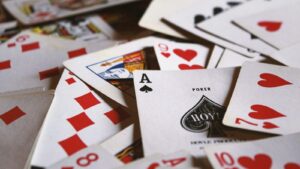
Size Does Matter: The Size of the Stack Can Affect Hands, Future Betting Options, and Potential Value
Pocket aces do not become weaker because a player has 15 big blinds. The hand changes, though. With a short stack, there may be little reason to get clever. With 150 big blinds behind, the same aces can walk into a far more expensive problem after the flop.
That is the part hand charts cannot settle. They rank made hands, poker hands from highest to lowest. They do not tell you how much money is left to win, how awkward the next street might become, or whether a small pot is preferable to a large one.
Coaching novice players, streaming live play or writing poker strategy articles can all serve to reduce variance and give players breathing room when things turn south.
Key Takeaways
- Stack size can turn a routine pre-flop decision into a completely different spot.
- Short stacks tend to reward direct decisions.
- Deep stacks make drawing hands more interesting, but they also make costly mistakes easier.
- The highest hand on a ranking chart is not automatically the most useful hand in play.
What Makes a Poker Hand Worth Playing?
A starting hand is not a verdict. It is an invitation to look at the rest of the table.
Take A-K. With 18 big blinds in a tournament, it is often a hand that wants to get the chips in before the flop. There is no great prize for calling a raise, missing the board, and folding away a meaningful chunk of the stack. The hand has enough high-card strength to welcome the decision early.
Now put the same A-K in a cash game with 200 big blinds effective. A single pair can remain ahead, but it is not a hand to treat casually. On an ace-high flop, an opponent may already hold two pair or a set. They may also have a draw that creates real problems by the turn or river.
That is why profitable poker hands cannot be judged by their cards alone. Position matters. So does the player across from you. So does the size of the pot before the flop. A hand only earns money when it reaches a situation where it can be played well.
The best hands for poker are usually the ones that keep their value under the conditions at the table. Pocket queens can be a dream against a loose short stack. Against a disciplined player who has put 150 big blinds in the middle, the same queens can become very hard work.
Hands With More Than One Way to Improve
Small pairs and suited connectors are not built for every stack depth. Their appeal comes from what they can become.
A hand like 7-8 suited can flop a straight draw, a flush draw, two pair, or a disguised straight. Pocket fives can flop a set. A suited ace can make the nut flush. These hands miss often, which is why they need a payoff when they do connect. That payoff is harder to find with a short stack. Calling a raise with 20 big blinds behind just to chase a set usually leaves too little money in play. Even when the set arrives, there may not be enough behind to make the earlier call worthwhile.
The picture changes with deeper stacks. If both players hold 100 big blinds or more, a small pair can win a large pot when it flops a set against an overpair. The possibility is not guaranteed. It simply becomes worth considering.
Poker hands worth playing are therefore tied to effective stack size. The effective stack is the smaller stack between the players involved. If one player has 140 big blinds and the other has 32, the hand is really being played for 32. The larger pile is mostly scenery.
Short Stacks and Deep Stacks Ask Different Questions
Short-stack poker narrows the decision tree. There is less room to call a raise, see a flop, and recover after missing. Hands with immediate value move up the list: high pairs, strong aces, and broadway cards that can make top pair with a credible kicker.
That does not mean every decent hand is a shove. Position still matters. A-J offsuit can look very different under the gun than it does on the button. Still, short stacks often force the issue before the flop because waiting for a prettier spot can leave too few chips to create fold equity.
Deep stacks invite more imagination. They also punish carelessness.
A-Q on an ace-high flop can look safe until the betting turns heavy. With 25 big blinds, the decision may be close to unavoidable. With 175 big blinds, the player has to think about how many worse hands are really calling three streets. One pair is still one pair, no matter how attractive the hole cards looked an hour earlier.
The most powerful hand in poker is a royal flush. It is also irrelevant to almost every pre-flop decision because nobody is dealt one. Ordinary poker is played with incomplete hands, messy boards, and opponents who are trying to represent something they may not have.
A page showing poker hands ranked in order is still useful. It tells you whether a flush beats a straight or whether two pair beats one pair. The harder question begins after that: how likely is it that your hand is actually good right now?
Position Can Turn an Average Hand Into an Opportunity
Position is where many otherwise modest hands become playable.
On the button, a player acts after everyone else once the flop arrives. That extra information makes it easier to check behind, take a free card, bet when an opponent shows weakness or keep a medium-strength hand from growing into a huge pot.
Early position is different. Open 9-8 suited from under the gun and several players can still wake up with stronger holdings. Open it on the button after everyone folds and the same hand has more room to work.
Deep stacks make position even more valuable because there are more streets and more chips left to manage. Acting last does not make a weak hand strong. It does make errors easier to avoid.
All the different hands in poker have a place on a ranking chart. Their practical value changes with seat position, stack depth and the people still waiting behind.
When the Odds Are on Your Side
Players do not need to turn every hand into a maths lesson. A few numbers are worth knowing.
A standard flush draw on the flop has nine outs. With two cards still to come, it will complete by the river roughly 35% of the time. That sounds promising until the price of calling is too high or the opponent is unlikely to pay when the flush lands.
A gutshot straight draw has only four obvious outs. It gets there much less often. Calling a large bet because the pot “feels big” is not the same as getting the right price.
The same discipline applies to weak top pair. A player can hold A-9 on an ace-high board and still be in trouble against a range full of stronger aces. Good poker is not about finding reasons to continue with every piece of the board. It is about knowing when the hand has stopped being worth the next bet.
A Better Way to Judge Your Next Hand
Before putting chips in, pause over a few things:
- How strong is this hand before the flop?
- What sorts of flops help it, and which ones create trouble?
- How deep are the effective stacks?
- Who has position after the flop?
- Is the opponent likely to pay when a big hand arrives?
- If the first bet is called, what is the plan for the next street?
Profitable poker hands are rarely dramatic. More often, they are the hands a player enters for the right reason, then leaves alone when that reason disappears.
Frequently Asked Questions
What hands should you go all in preflop with?
There is no fixed list that works in every game. Stack size drives the decision. A player with seven big blinds can profitably move all-in with hands that would be routine folds at 80 big blinds. Position, antes, and who is left to act still matter.
What is the hardest hand to play in poker?
Top pair with an ordinary kicker causes plenty of expensive mistakes. It is good enough to win small pots, yet often not strong enough to absorb major pressure. Players tend to overvalue it because they have connected with the board.
What is the statistically best hand in poker?
Pocket aces are the strongest starting hand in Texas Hold’em. They are a favourite before the flop, not an automatic winner. Aces lose to made hands, draws that arrive, and opponents who improve after the flop.
What percent of hands should I play in poker?
A fixed starting-hand percentage is not much use without knowing the game. A tight nine-handed table, six-max cash game, and short-stack tournament put players in very different spots. Early position calls for more restraint. Later on, the range can open up, but not every hand that looks playable has to go in.