TOKYO (TR) – Tokyo is a sprawling and mercurial metropolis that often confounds the traveler. What follows is a guide for Japan’s capital for a single day’s stay. For navigation assistance, a peek at the Tokyo Metro subway map might be useful.
07.00: The world’s largest fish market is at Tsukiji, whose fishmongers provide a fascinating glimpse at just what lurks in the sea: massive tuna carcasses are carved by saws, eels squirm on tables, and clams fill buckets. Yet care should be taken as the slick-floored, darkened maze of stalls is continually inundated by steady streams of gasoline-powered carts and ice haulers. No flash photography is allowed during the live tuna auction but there is a distinct viewing area. Inside the market grounds is restaurant Yamato, which serves truly delicious morning sushi sets for around 2,000 yen.
09.00: Rebuilt twice, the Kabuki-za in Ginza has been Japan’s premier home to kabuki theater performances since its founding in 1889. The matinees start in the afternoon, but the ornate building, set to be demolished in 2010, is definitely worth a peek. Also facing the wrecking ball is the nearby Nakagin Capsule Tower, a thin residential and office structure of stacked concrete modules designed by architect Kisho Kurokawa in early ‘70s that is generally considered to be the purveyor of the coffin-like accommodations found in capsule hotels.
10.00: Earthquakes and firebombing raids by the U.S. during World War II have left the city with few historic buildings. Reshaping the cityscape in modern times has been a boom in skyscrapers, and Shiodome has a large cluster. On the basement floor of the 51-story Caretta Shiodome is the Museum of Advertising and Marketing, which chronicles the history of writing ad copy all the way back to when the woodblock print was the medium. For a nice view of the area’s sparkling glass and steel towers, there are the landscaped gardens at Hama Rikyu, whose teahouse affords a traditional setting in which to enjoy a cup of steaming matcha.
12.00: The impressive shrines and gates at the Senso-ji complex are certainly a draw to historic Asakusa, but during the Edo Period (1603-1867) its “Roku-ku,” or six districts, featured numerous cabarets and street performers. The area today does not have quite that same Vaudeville vibe but the dusty shops and the restaurant supply area known as Kappabashi, which sells the artificial food models seen in front of restaurants, are great for tracking down unique souvenirs. The legendary Kamiya Bar, Japan’s first Western watering hole (founded in 1880), offers nice stews and beef dishes. The establishment’s famous Denki Bran (a blend of various liquors) is available in bottles.
15.00: The west exit of Shinjuku Station reveals a literal forest of skyscrapers that is punctuated by the futuristic-looking work of Kenzo Tange, whose Tokyo Metropolitan Government Building (offering a free observation deck) and Shinjuku Park Tower, the home of the Park Hyatt Tokyo featured in “Lost in Translation,” stand like tilted spaceships.
17.00: The Tokyo coffee house has over the years evolved from that of a grimy, smoke-filled den generally frequented by middle-aged salarymen to a hip locale of minimalist interiors. Café Studio in Harajuku hosts live music events and serves great cakes and coffees.
19.00: In Shibuya, no location better encapsulates what it means to be a female teen than the Shibuya 109 building, the cylindrical, ten-floor home to some of the trendiest – and tackiest – fashion in the city. Changing the pace of the area slightly was the recent addition of “Asu no Shinwa” (Myth of Tomorrow), avant-garde artist Taro Okamoto’s 14-panel mural from the late ‘60s whose streaking colors and distorted shapes depict the moment of an atomic bomb detonation. The piece, often compared to Picasso’s “Guernica,” hangs near the Inokashira line entrance inside Shibuya station.
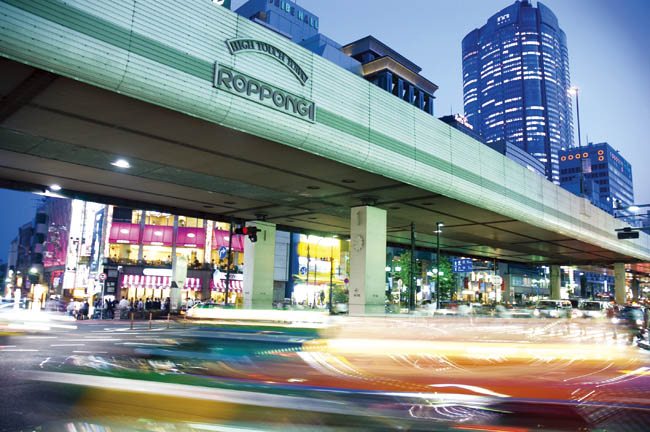
21.00: The grungy bars of Roppongi have made it one of Tokyo’s seedier playgrounds. Upscale complexes have since scaled back that reputation a tad. The Mori Art Museum in Roppongi Hills is one of three spaces now offering art exhibits. Tokyo Midtown added a number of fine restaurants following its opening in 2007. Orange specializes in light French cuisine and champagne to go with fine cigars. Appropriately, a few steps from its terrace seating, it is possible to view the diffused orange glow of Tokyo Tower to the east. Japan’s symbol of rebirth following the war, the tower celebrated its 50th anniversary in December.
Note: This report originally appeared in CNN Traveller magazine in the January/February 2009 issue.